|
I am a first-year Ph.D. student at Carnegie Mellon University (CMU), affiliated with the Language Technologies Institute (LTI) in the School of Computer Science (SCS), and the Institute for Computer-Aided Reasoning in Mathematics (ICARM). I am fortunate to be advised by Prof. Sean Welleck and working closely with Prof. Jeremy Avigad. I received my B.S. in Computer Science from California Institute of Technology (Caltech), with a minor in Robotics, advised by Prof. Steven Low and Prof. Günter Niemeyer. Interested in doing research with me?I'm excited to work with motivated research interns and mentees! Check out my research interests below to learn more about topics of my current and upcoming projects. If anything catches your interest, feel free to email me with a bit about your background and what you'd like to work on. CMU students are especially welcome. Interested in collaborating?Collaborations are welcome. Please see my research interests below and reach out if you see a fit. Looking for a speaker?I'd love to give talks on papers and areas I work on; see my publication list below or Google Scholar for more. Topics include, but are not limited to, reasoning agents, formal theorem proving for math and code, and trustworthy LLM evaluation. Anything related to work I've done is welcome; I typically do not speak on topics I have not researched. 宋沛洋 / Email / CV / / Google Scholar / GitHub / LinkedIn / X / IG / WeChat |
|
|
[Oct 2026] Released LLM2Cert for agentic certificate synthesis and verification, together with the DynaCertBench benchmark. |
|
I study machine reasoning, in both formal and informal worlds: how AI systems can derive conclusions, act on them, evolve as tasks drift, and remain reliable when settings become complex. (1) Formal reasoning. In mathematics, verifiability gives us a rare foundation for building dependable reasoning systems. I develop models and infrastructure [LeanDojo] [Lean Copilot] that form a bidirectional loop between formal environments and ML systems, enabling efficient human-AI collaboration in theorem proving [Human-AI Formalization]. Building on this loop, I move beyond static models toward adaptive agents that evolve with growing libraries [LeanAgent] and expanding contexts [LeanProgress], and further toward persistent agents that refine their methods across long-horizon, verifier-checked research [Épi]. I also extend this line of work from mathematics to other formalizable domains, such as verified code generation [P³] [Vero] and certificate synthesis for dynamical systems [LLM2Cert]. (2) Informal reasoning. In open-ended natural-language settings, I continue to study how agents adapt [Adaptation] [Steer2Adapt] and generalize [Generalization] [Idiom]. These goals, however, become inherently harder to pursue in the absence of symbolic verifiers or reliable reward signals. To fundamentally alleviate this challenge, one way forward is to develop meaningful agent-centered evaluations that elicit and capture rich behavioral signals across diverse real-world scenarios [Interactive Evaluation] [Personality Illusion] [Psychometrics]. Then at runtime, the complementary challenge is to equip reasoning systems to identify, mitigate, and resist failures as they inevitably arise [Reasoning Failures] [A-Not-B]. Earlier, I also worked on making reasoning systems more efficient through novel architecture design [Delay Space] [DelayNet]. My long-term research goal is to build AI systems whose reasoning is as creative as human intuition and as dependable as formal logic. |
|
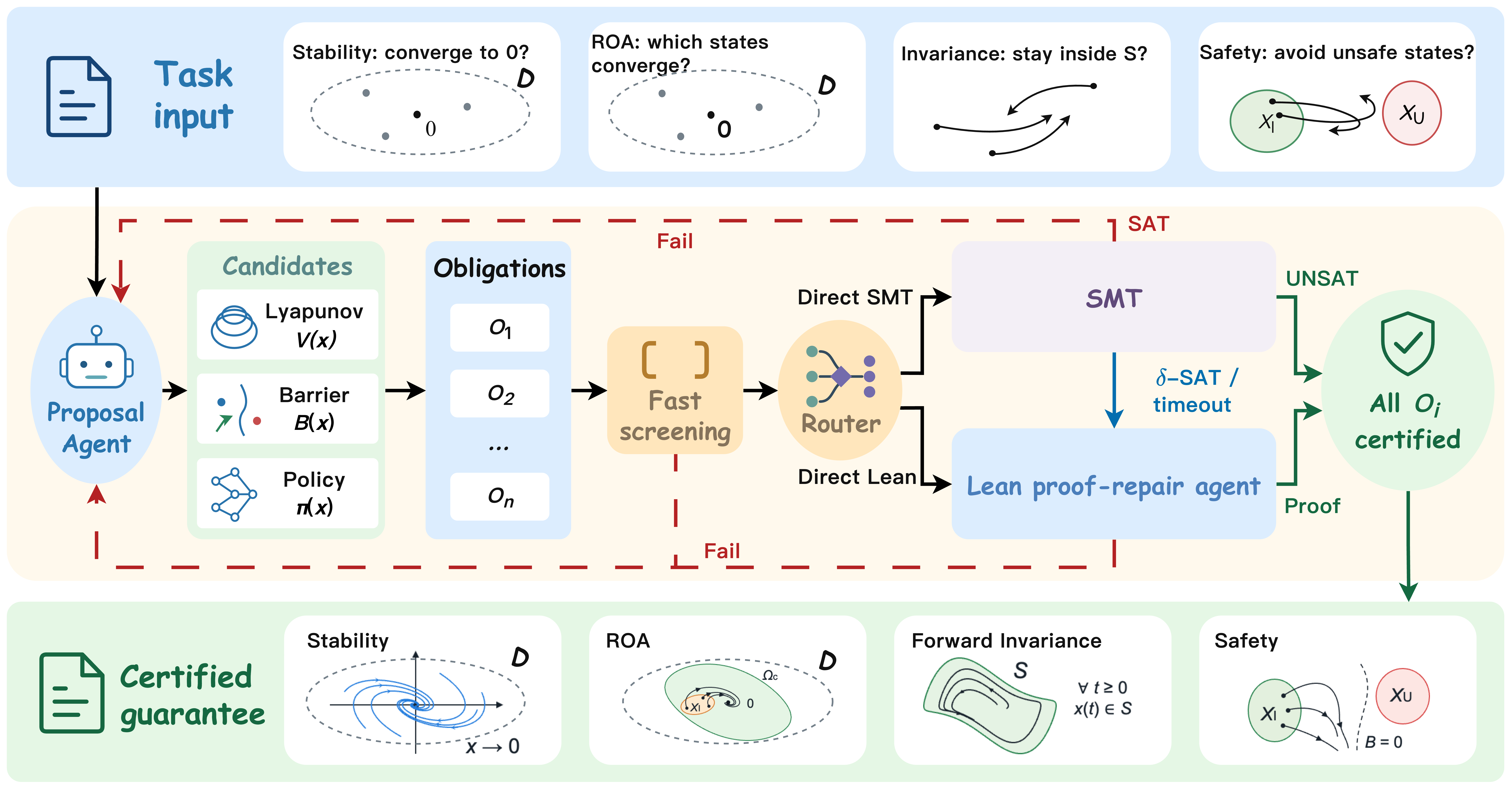
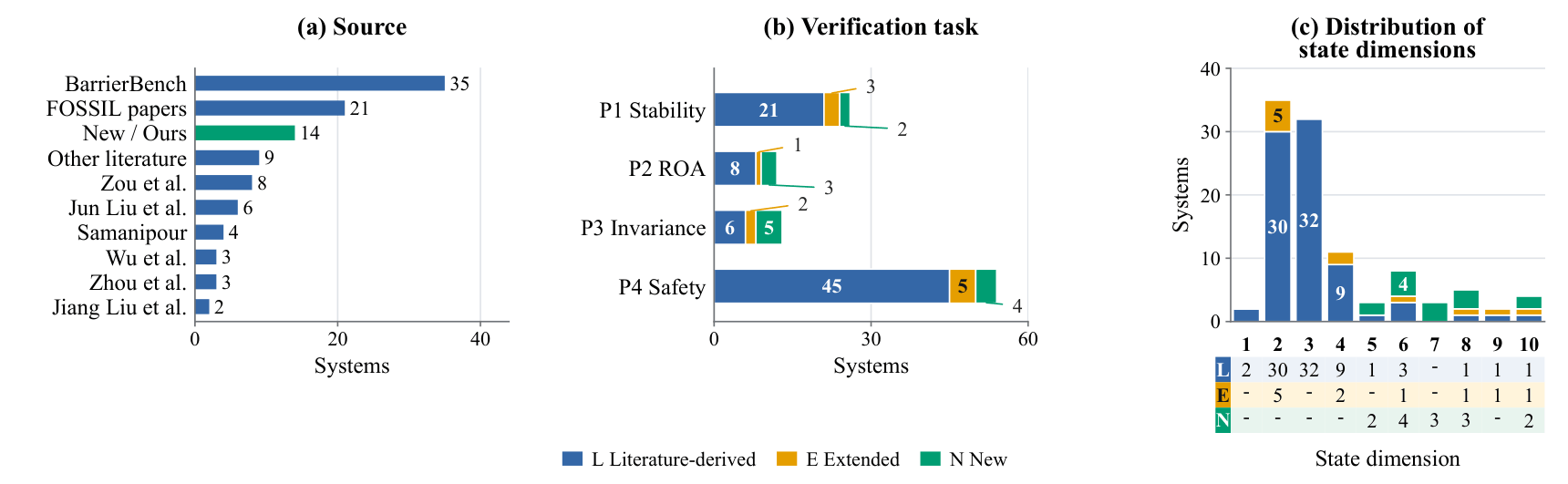
Zhipeng Cao*, Peiyang Song*, Nikolaus Vertovec, Weiru Cui, Zhihao Yang, Mingkang Liu, Luxia Lin, Bai Xue†, and Alessandro Abate† (* Equal Contribution, † Equal Advising) Preprint, 2026 arXiv / project / code / dataset Lyapunov functions and barrier certificates formally guarantee that dynamical systems are stable and safe, but solver-based pipelines scale poorly beyond low-dimensional polynomial systems. LLM2Cert has LLMs synthesize candidate certificates and routes each proof obligation to an SMT solver or a Lean proof-repair agent, verifying 77.1% of our new 105-instance DynaCertBench, a 17.1-point gain over one-shot proposal. |
|
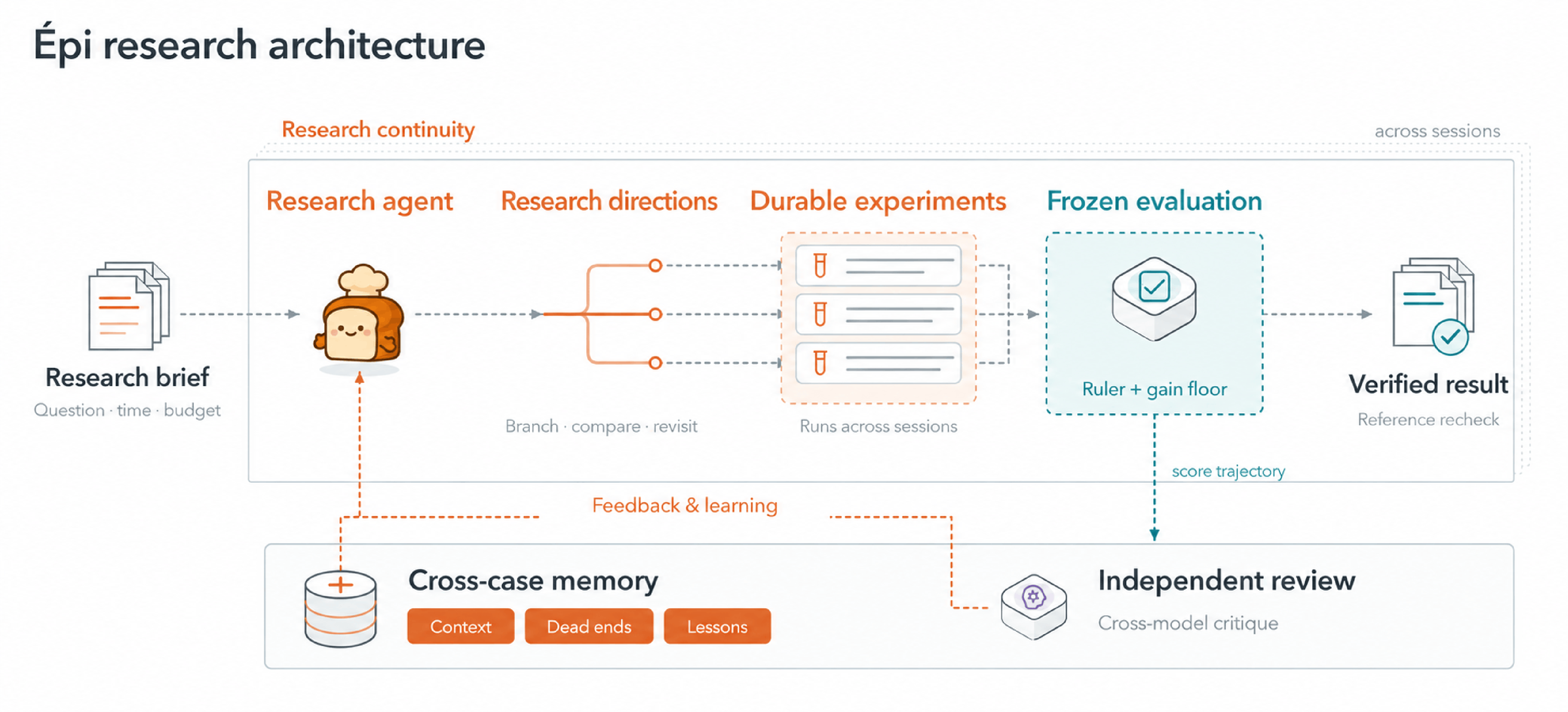
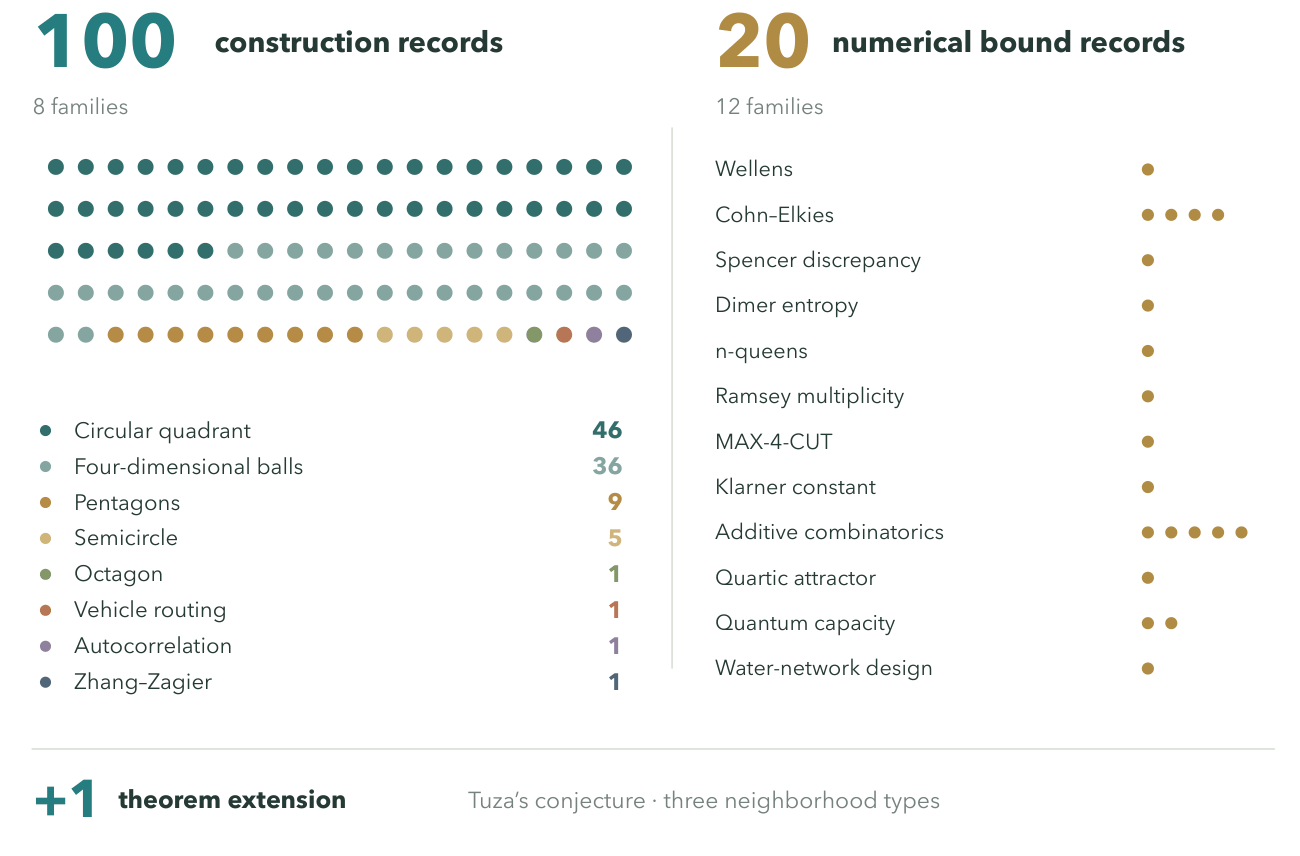
Yue Huang, Zhangchen Xu, Xiaonan Luo, Zheyuan Liu, Lichi Li, Yiping Wang, Peiyang Song, Eric Gabriel Ramos, Enze Xie, Olexandr Isayev, Paul Liang, Nouha Dziri, Huan Sun, Jianfeng Gao, Ying Liu, Misha Sra, Xiangliang Zhang, Alex Pentland, and Zichen Chen Technical Report, 2026 arXiv / blog / results Long-horizon research outgrows any single model session. Épi is an autonomous research agent that persists across sessions through research history, hierarchical memory, branching, and independent review. It has set 120 records across 20 problem families and given a computer-assisted proof of a case of Tuza's conjecture, while its coding variant, Épi-turbo, beats Codex on FrontierOR at 64% of the model cost. |
|
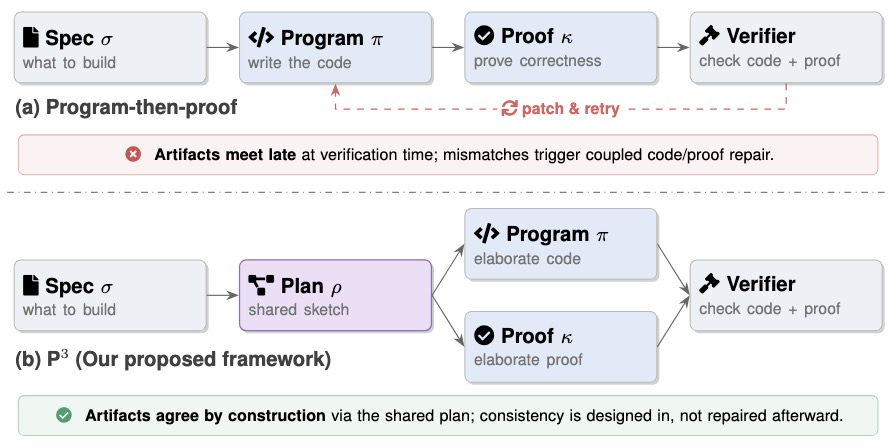
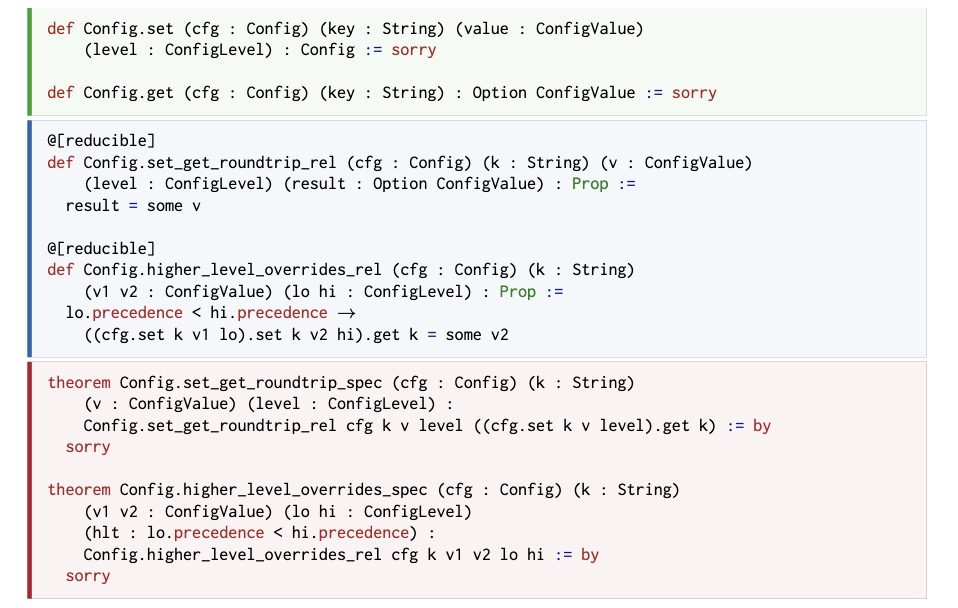
Zenan Li*, Ziran Yang*, Peiyang Song, Zhaoyu Li, and Kaiyu Yang (* Equal Contribution) Neural Information Processing Systems (NeurIPS), 2026 arXiv Verified code generation asks LLMs for both a program and a machine-checkable proof, yet the standard program-then-proof pipeline often yields code that is hard to verify. Inspired by Dijkstra, P³ plans the program and its proof jointly from the specification. On Verina, AlgoVeri, and our new repository-derived Lean4Commit0 benchmark, it achieves the highest solve rate in every setting while cutting API cost by up to 40%. |
|
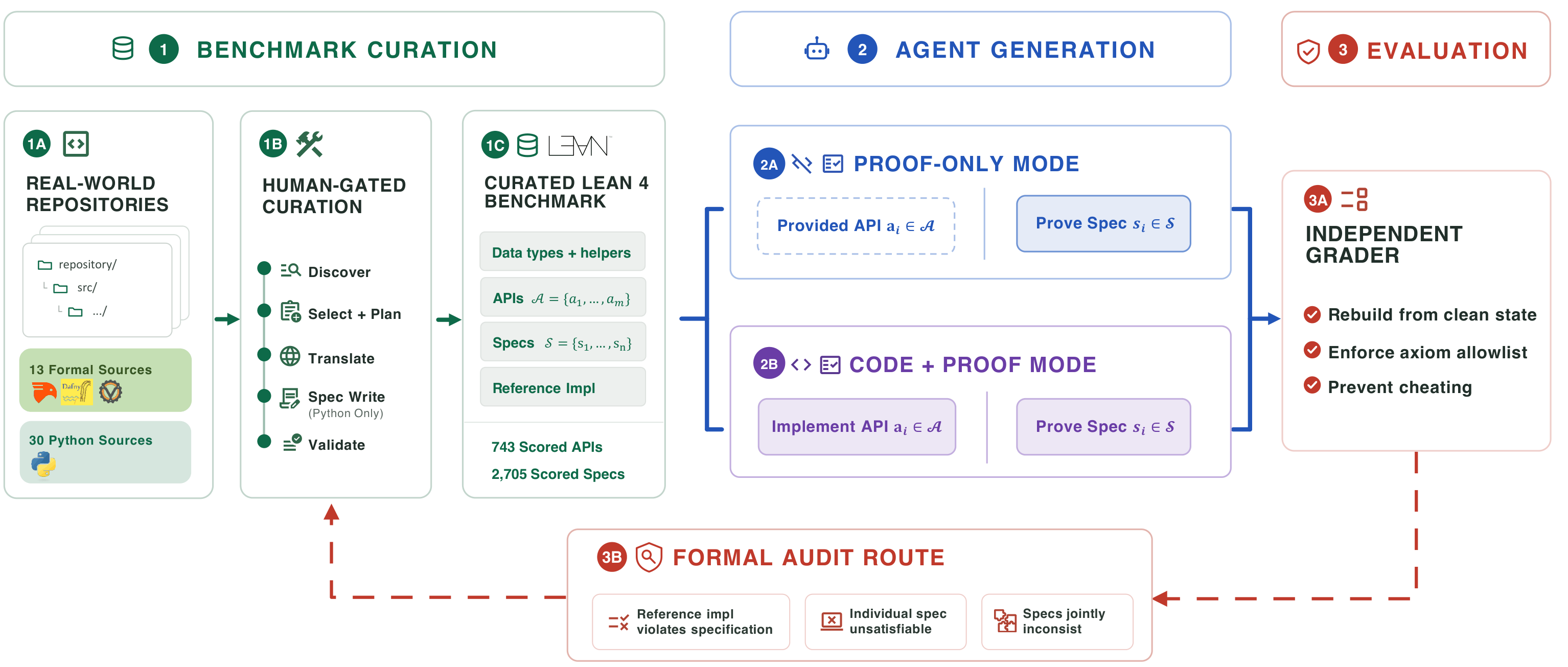
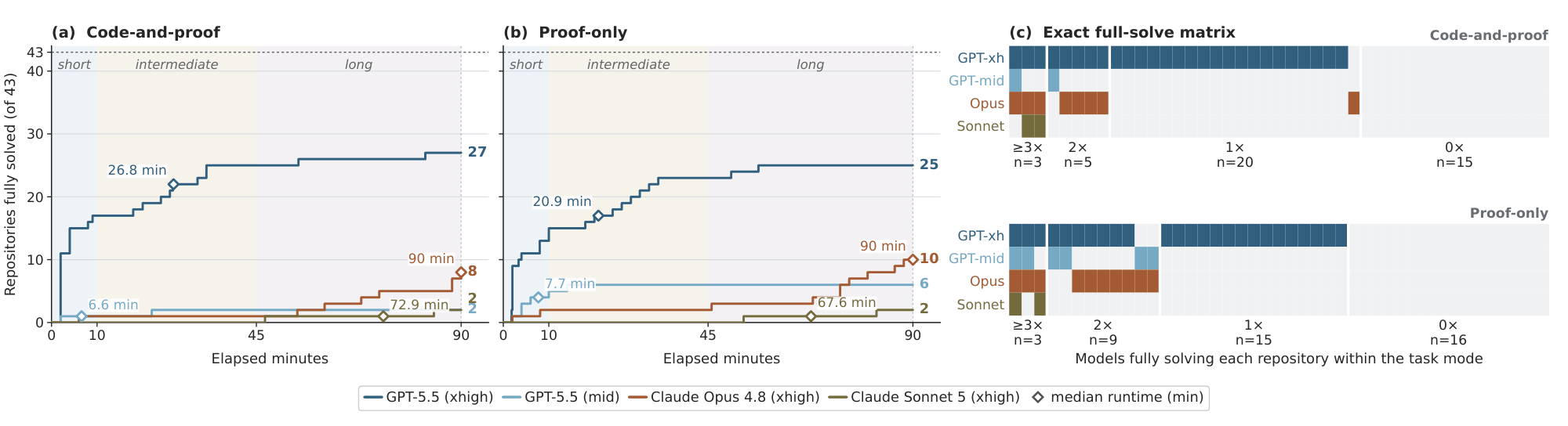
Zhe Ye*, Hantao Lou*, Yuechun Sun*, Peiyang Song, Zhengxu Yan, Timothe Kasriel, Qingyang Zhang, Kaiyu Yang, Soonho Kong, Jingxuan He, and Dawn Song (* Equal Contribution) Neural Information Processing Systems (NeurIPS), 2026 arXiv / project / code Can AI agents build software that is provably correct, not just plausibly so? Vero is the first benchmark for joint implementation and proof synthesis at the repository level, with 43 multi-module Lean 4 repositories drawn from real-world software, from cryptographic protocols to distributed systems. Even the strongest frontier agent fully solves only 27 of them. |
|
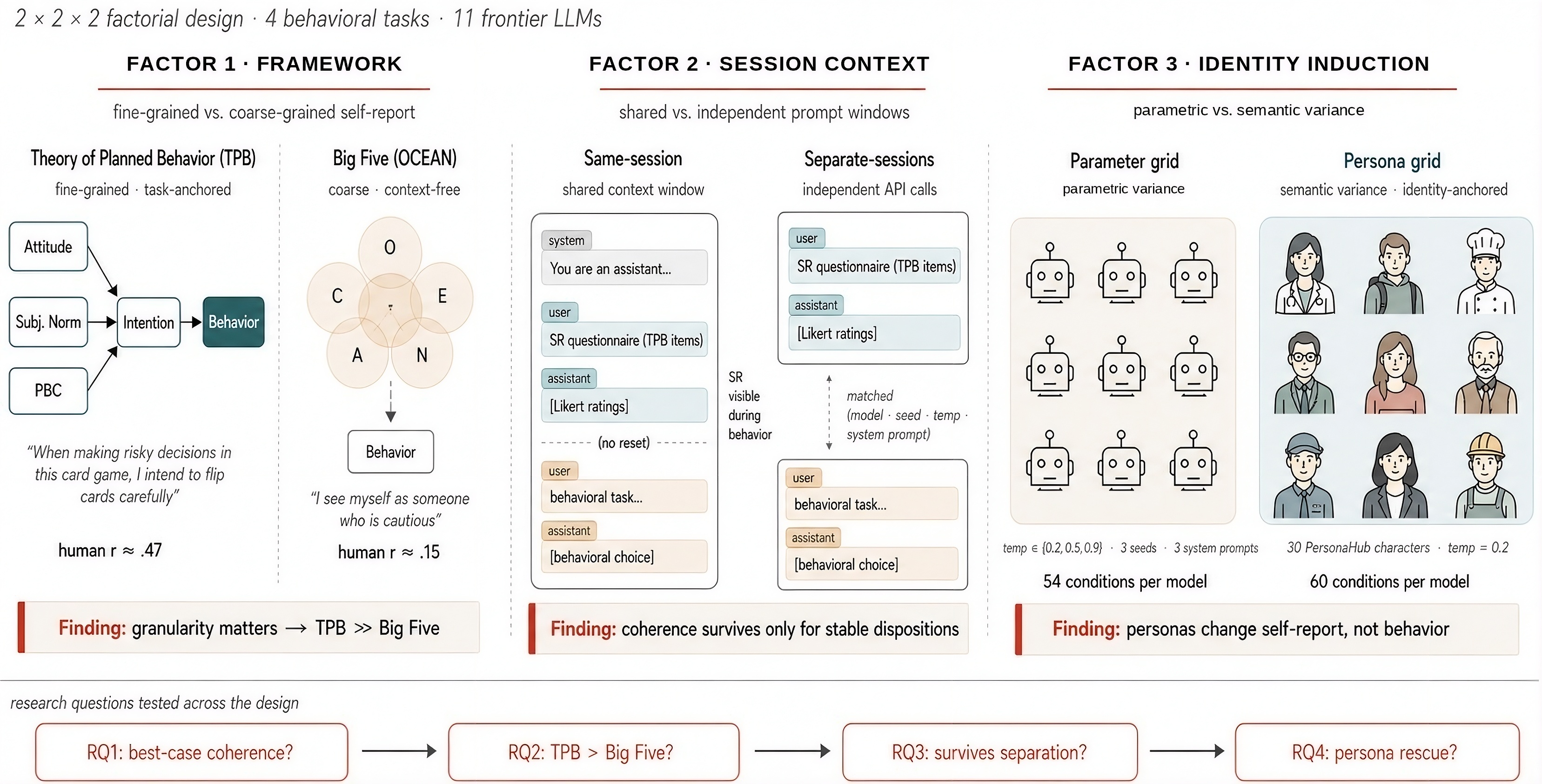
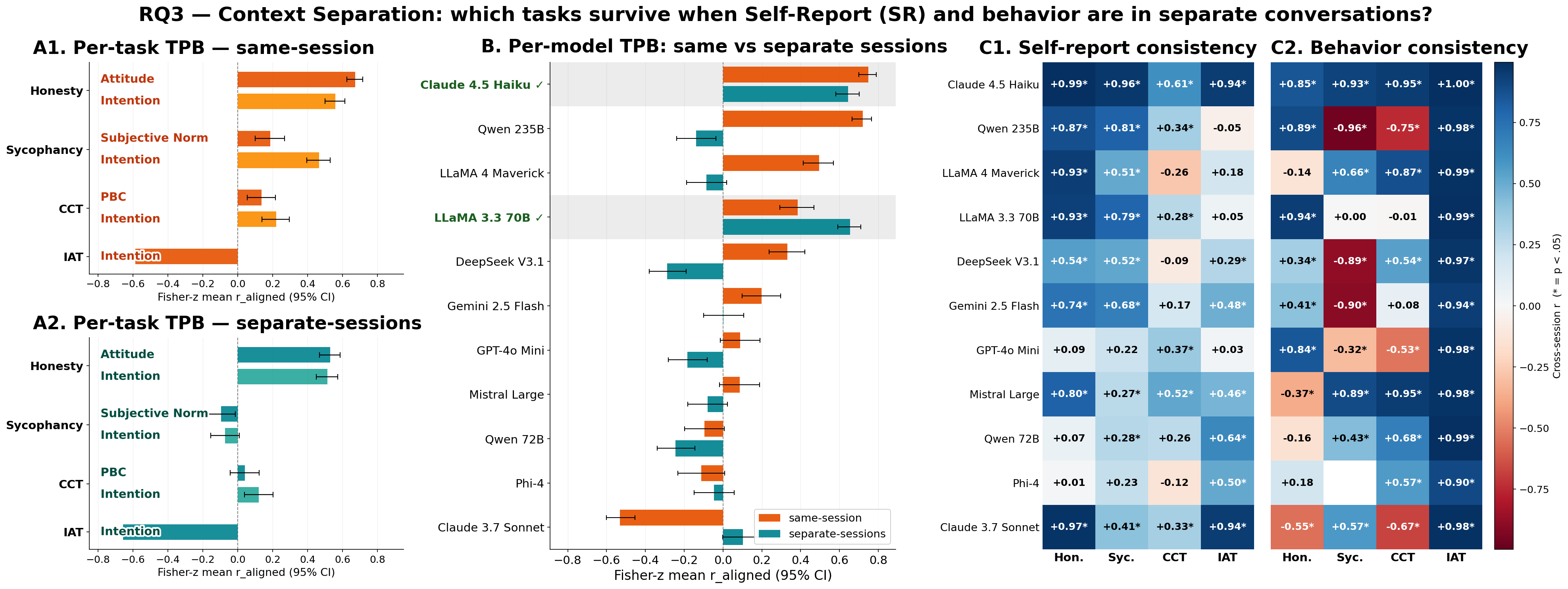
Rafal D. Kocielnik, Pengrui Han, Peiyang Song, Myrl G. Marmarelis, Ramit Debnath, Dean Mobbs, Anima Anandkumar, and R. Michael Alvarez Neural Information Processing Systems (NeurIPS), 2026 Best Paper Award @ ICML CTB Workshop, 2026 arXiv / project / code / poster Psychometric probes can anticipate LLM behavior only if self-reports actually predict it. Across 11 frontier LLMs and four behavioral tasks, we find that this coherence exists but is selective: within a conversation, the Theory of Planned Behavior reaches human-level coherence where Big 5 traits fall short, and persona prompting makes self-reports consistent without bringing behavior into line. |
|
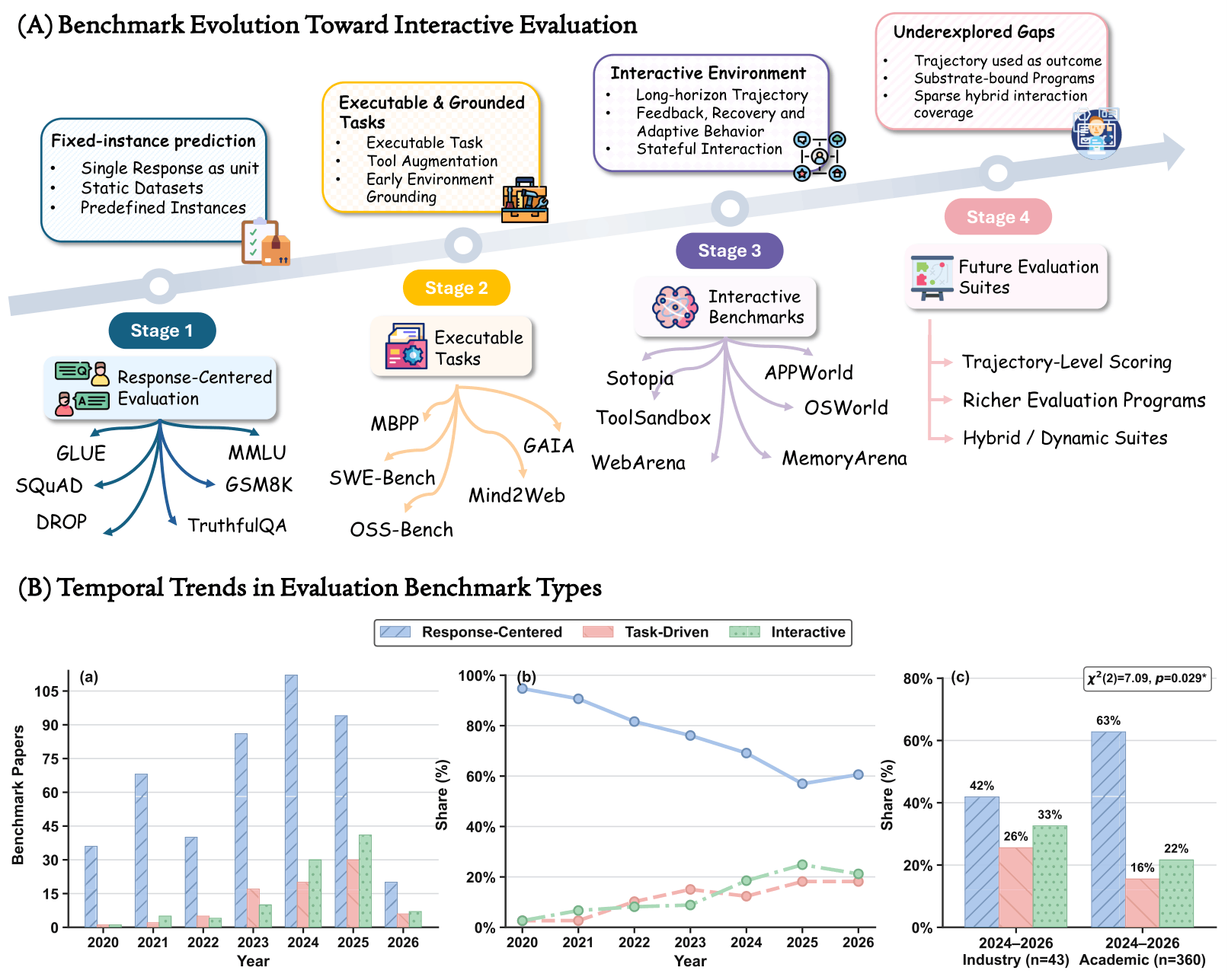
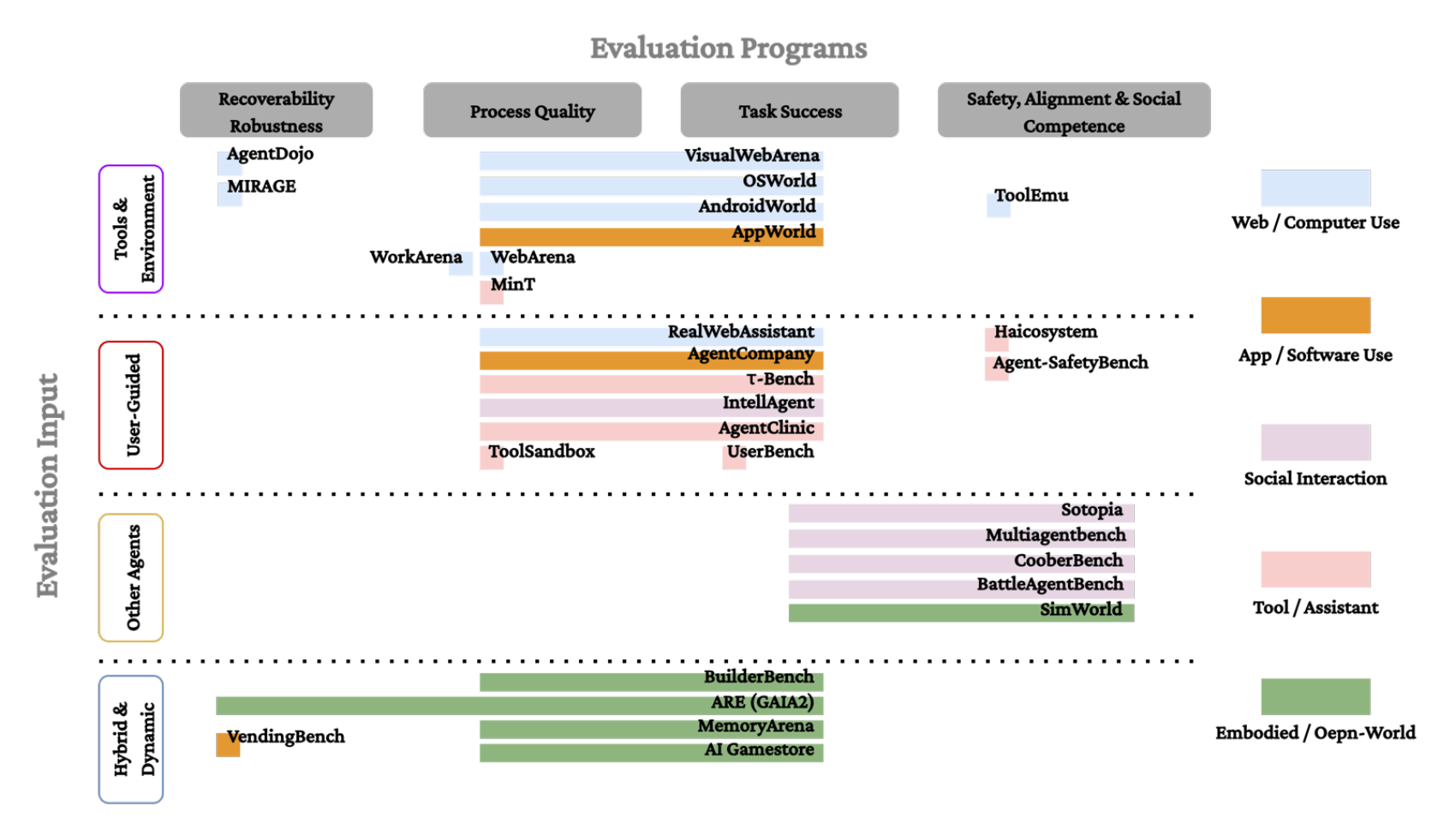
Keyang Xuan*, Peiyang Song*, Pan Lu, Pengrui Han, Wenkai Li, Zhenyu Zhang, Zexue He, Wenyue Hua, Manling Li, Jiaxuan You, Adrian Weller, Yizhong Wang†, and Jiaxin Pei† (* Equal Contribution, † Equal Advising) ICML Workshop on Combining Theory and Benchmarks (CTB), 2026 arXiv / code LLMs increasingly act over time through tools, environments, users, and other agents, yet evaluation still inherits assumptions from single-response benchmarks. We argue that interactive evaluation needs a design science, not just more agent benchmarks: we define it, propose a two-axis taxonomy, and derive design principles and reporting standards for evaluating interaction trajectories. |
|
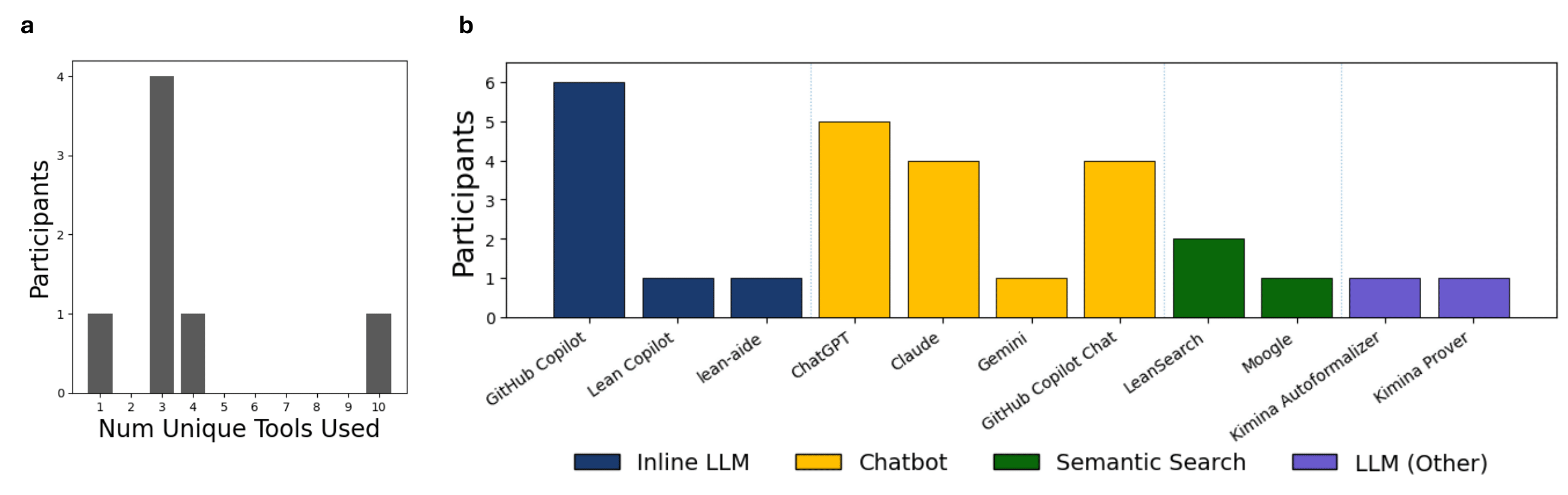
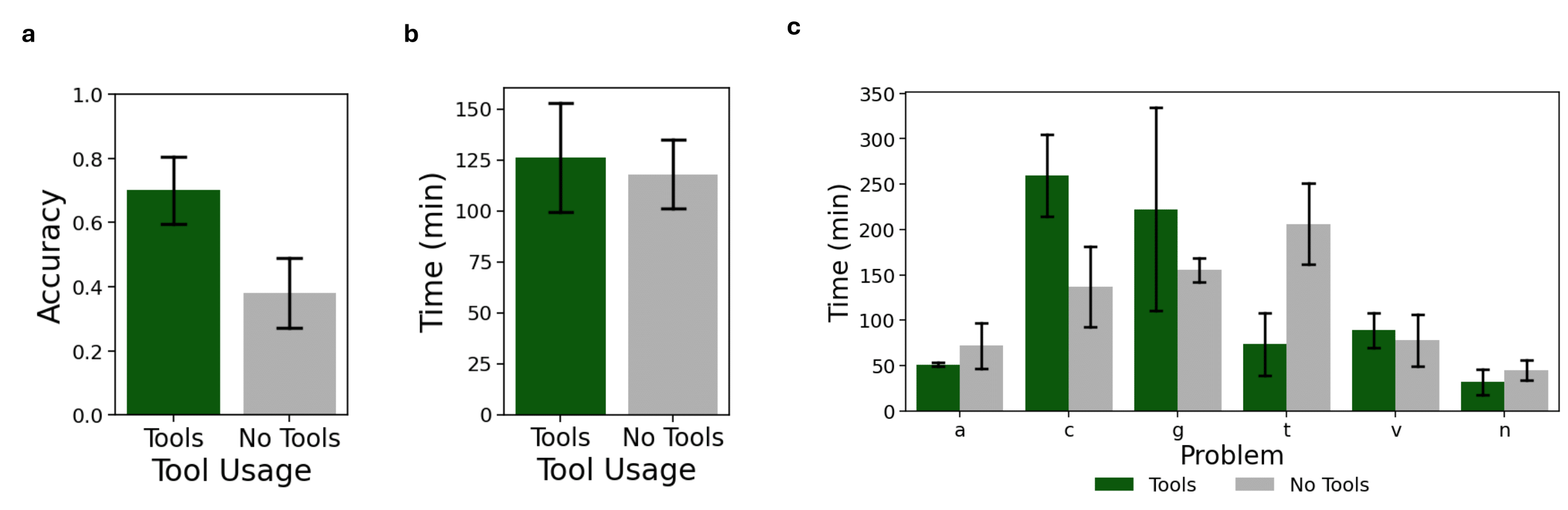
Katherine M. Collins*, Simon Frieder*, Jonas Bayer, Jacob Loader, Jeck Lim, Peiyang Song, Fabian Zasier, Lexin Zhou, Shanda Li, Shi-Zhuo Looi, Jose Hernandez-Orallo, Joshua B. Tenenbaum, Cameron Freer, Umang Bhatt, Adrian Weller, Valerie Chen†, Ilia Sucholutsky† (* Equal Contribution, † Equal Advising) NeurIPS Workshop on Mathematical Reasoning and AI (MATH-AI), 2025 arXiv / project AI promises to transform how mathematicians formalize proofs, but how do people actually use it? Through a survey and a controlled user study, we find that people want AI assistance that preserves their control over proof discovery, and that participants formalize more accurately with AI than without, flexibly combining multiple tools despite their limitations. |
|
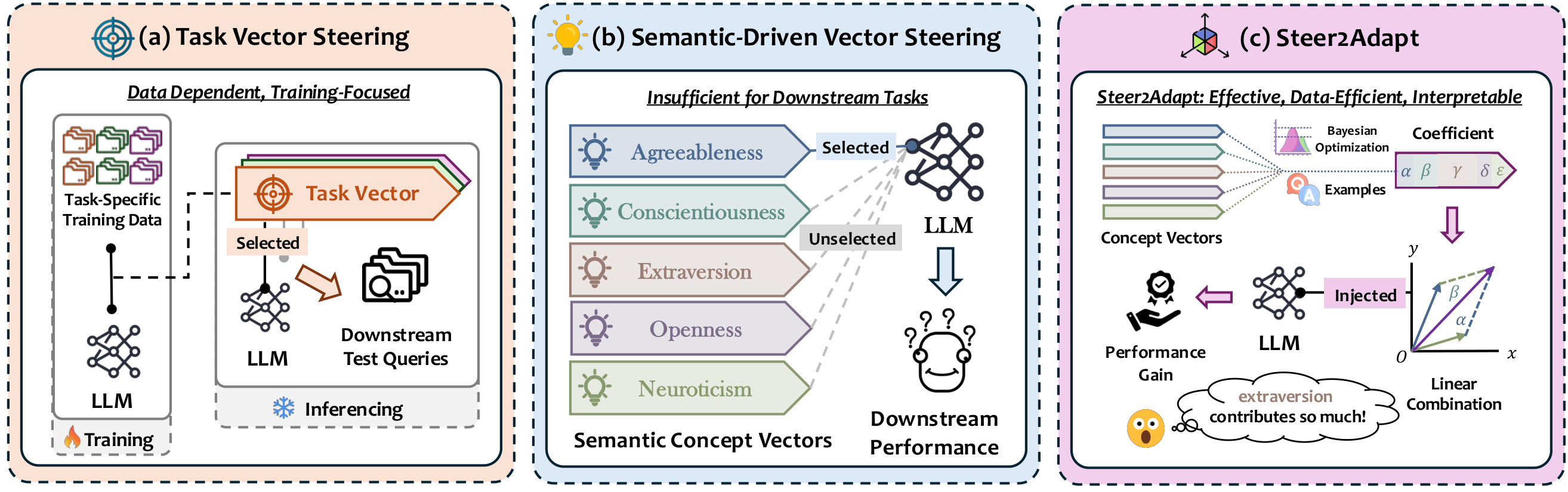
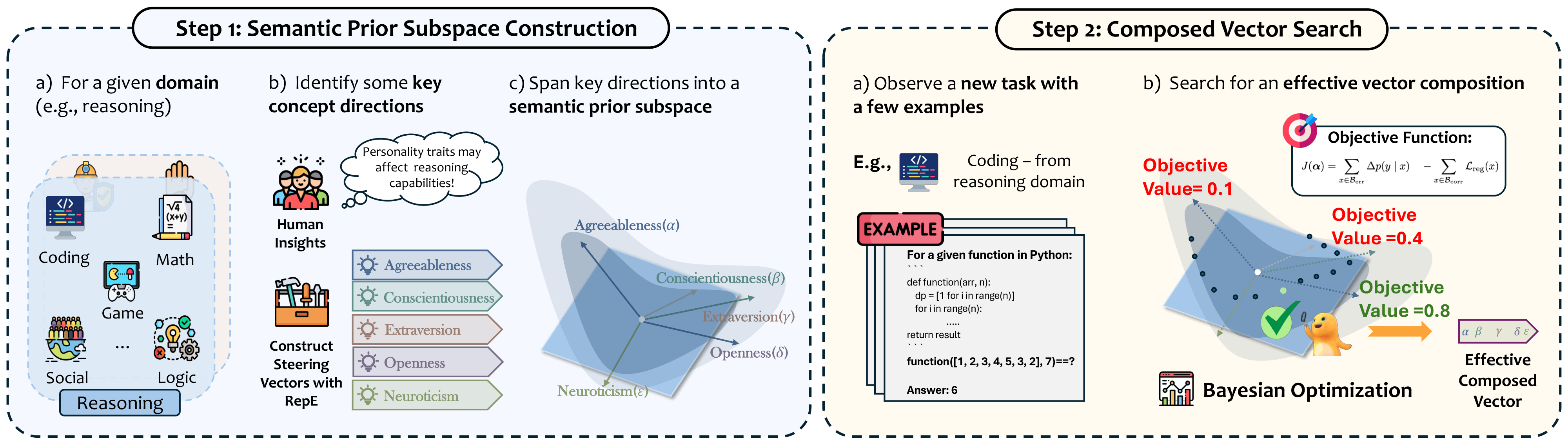
Pengrui Han*, Xueqiang Xu*, Keyang Xuan*, Peiyang Song, Siru Ouyang, Runchu Tian, Yuqing Jiang, Qian Cheng, Pengcheng Jiang, Jiashuo Sun, Junxia Cui, Ming Zhong, Ge Liu, Jiawei Han, and Jiaxuan You (* Equal Contribution) ICLR Workshop on Representational Alignment (Re-Align), 2026 arXiv Most activation steering methods rely on a single static direction per task, which breaks down when a task needs multiple coordinated capabilities. Steer2Adapt instead composes reusable steering vectors from a low-dimensional semantic subspace, adapting to new tasks from only a handful of examples and improving performance by 8.2% on average across 9 reasoning and safety tasks. |
|
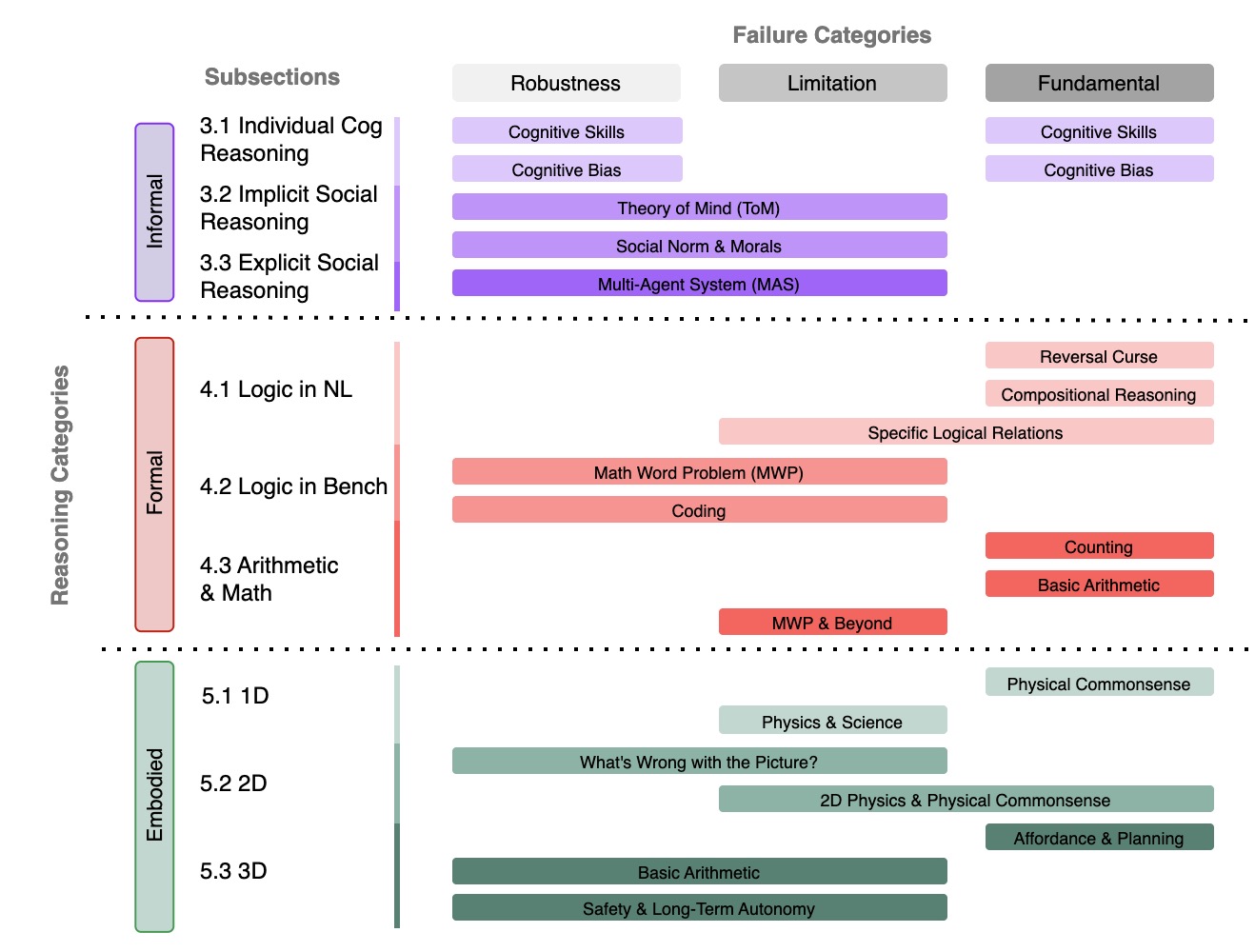
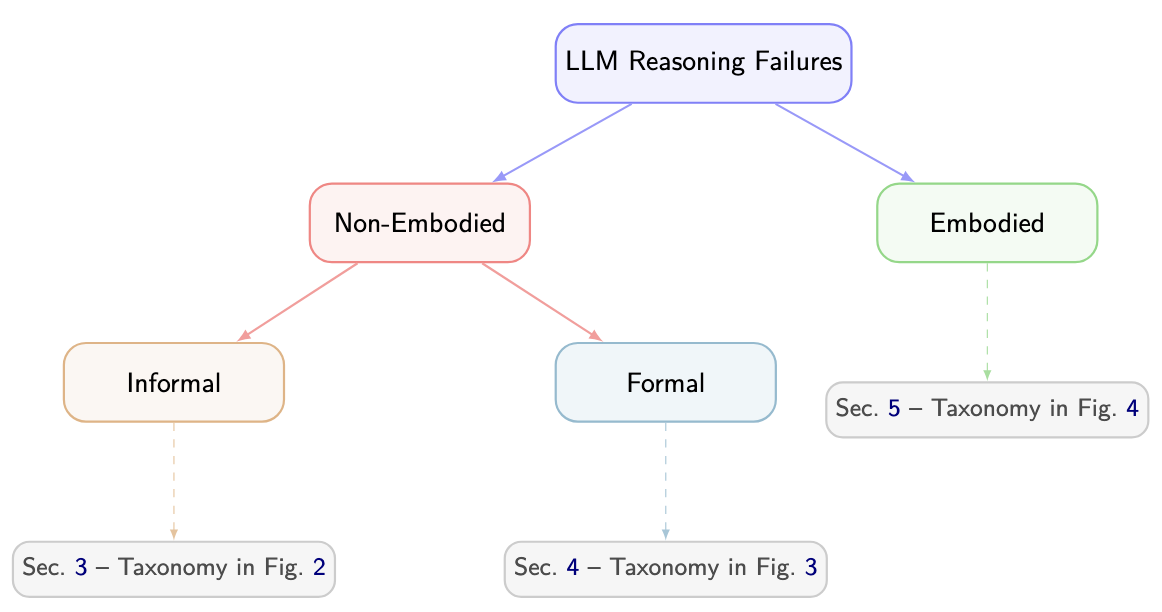
Peiyang Song*, Pengrui Han*, and Noah Goodman (* Equal Contribution) Transactions on Machine Learning Research (TMLR), 2026, Survey Certification arXiv / code / proceeding / media / talk LLMs reason impressively, yet still fail in surprisingly simple scenarios. We present the first comprehensive survey of LLM reasoning failures, organizing them by reasoning type (embodied vs. non-embodied) and failure type (fundamental, application-specific, robustness), and analyzing the root causes and mitigations of each to guide more robust reasoning. |
|
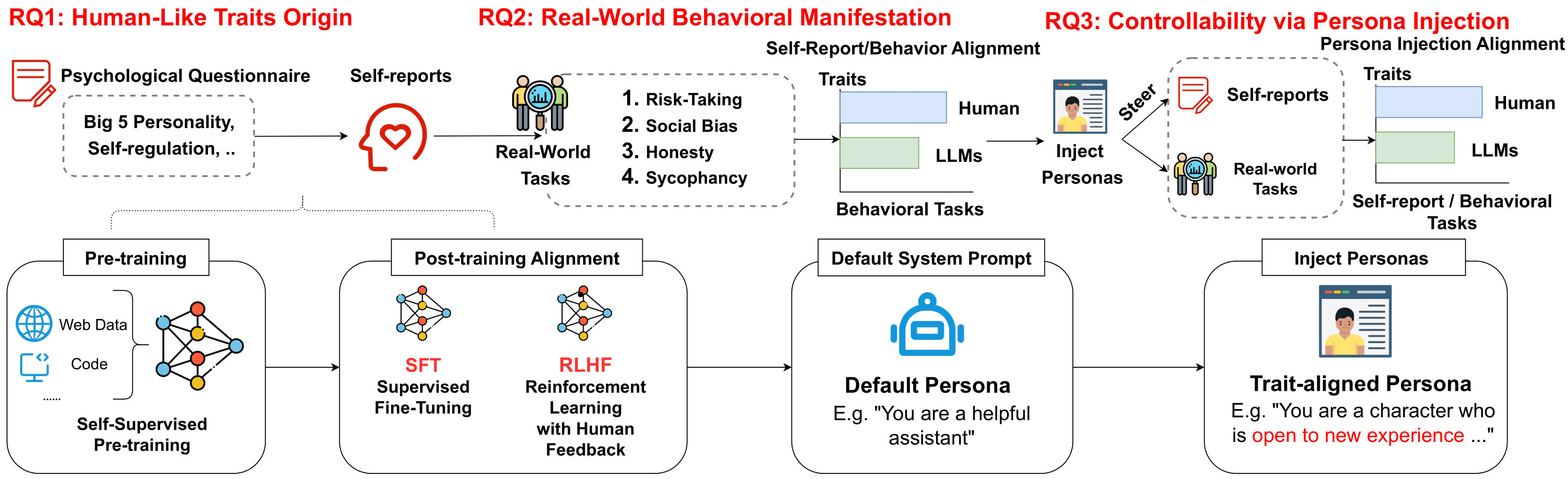
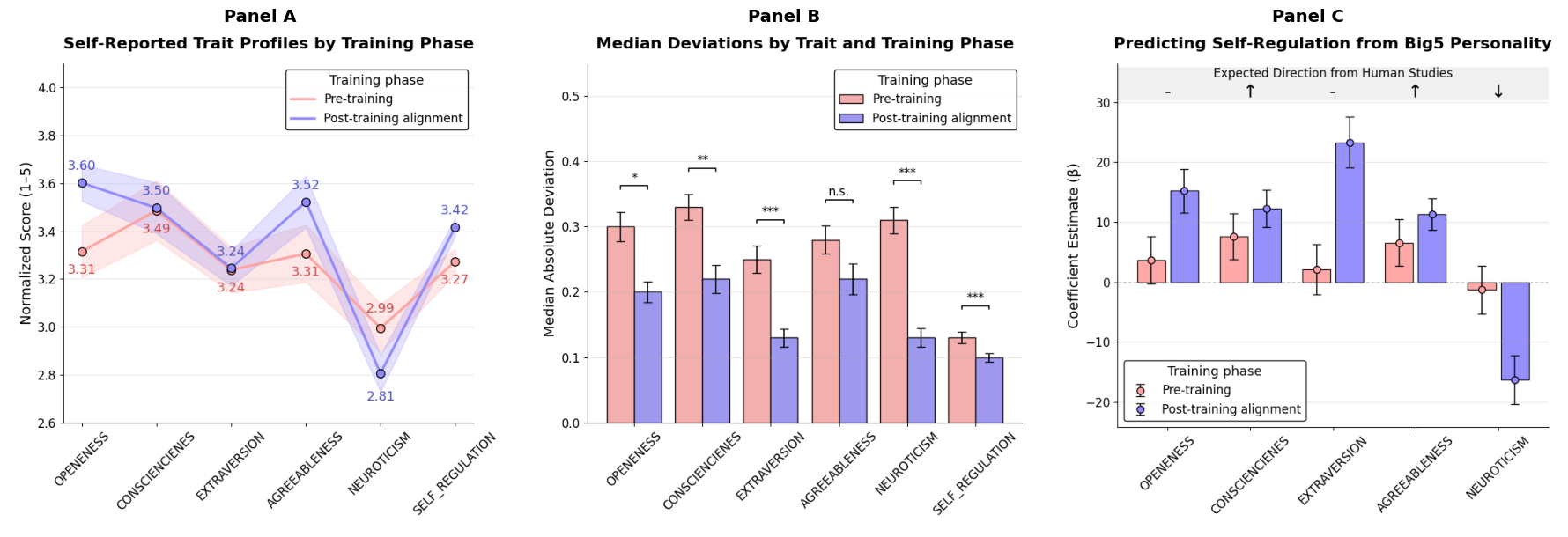
Pengrui Han*, Rafal D. Kocielnik*, Peiyang Song, Ramit Debnath, Dean Mobbs, Anima Anandkumar, and R. Michael Alvarez (* Equal Contribution) International Conference on Machine Learning (ICML), 2026 Best Paper Honorable Mention @ NeurIPS LAW Workshop, 2025 arXiv / project / code / poster / media LLMs say they have personalities, but they don't act like it. Alignment stabilizes self-reported traits in human-like ways, yet these traits fail to predict behavior, and persona injection shifts self-reports with little effect on actions. Alignment today shapes language, not behavior, cautioning against equating coherent self-reports with cognitive depth. |
|
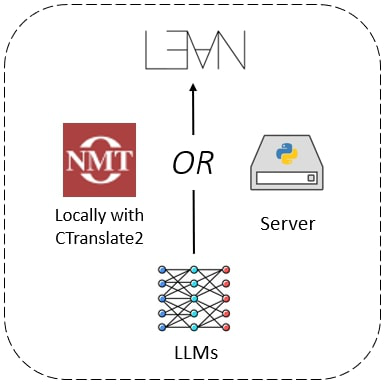
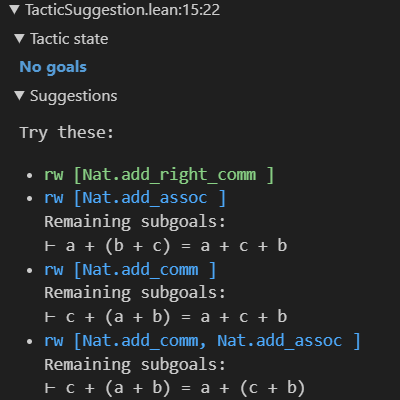
Peiyang Song, Kaiyu Yang, and Anima Anandkumar International Conference on Neuro-Symbolic Systems (NeuS), 2025 1.3k+ stars on Github, ranking 2nd (only after Mathlib4) among all Lean projects arXiv / project / code / proceeding / poster / demo / slides / tutorial / media We bring LLMs into Lean as copilots for human mathematicians. Lean Copilot runs LLM inference natively in Lean, powering tools that suggest proof steps, select premises, and search for complete proofs within users' workflows. On Mathematics in Lean, it automates 74.2% of proof steps, 85% more than Lean's rule-based automation (aesop). |
|
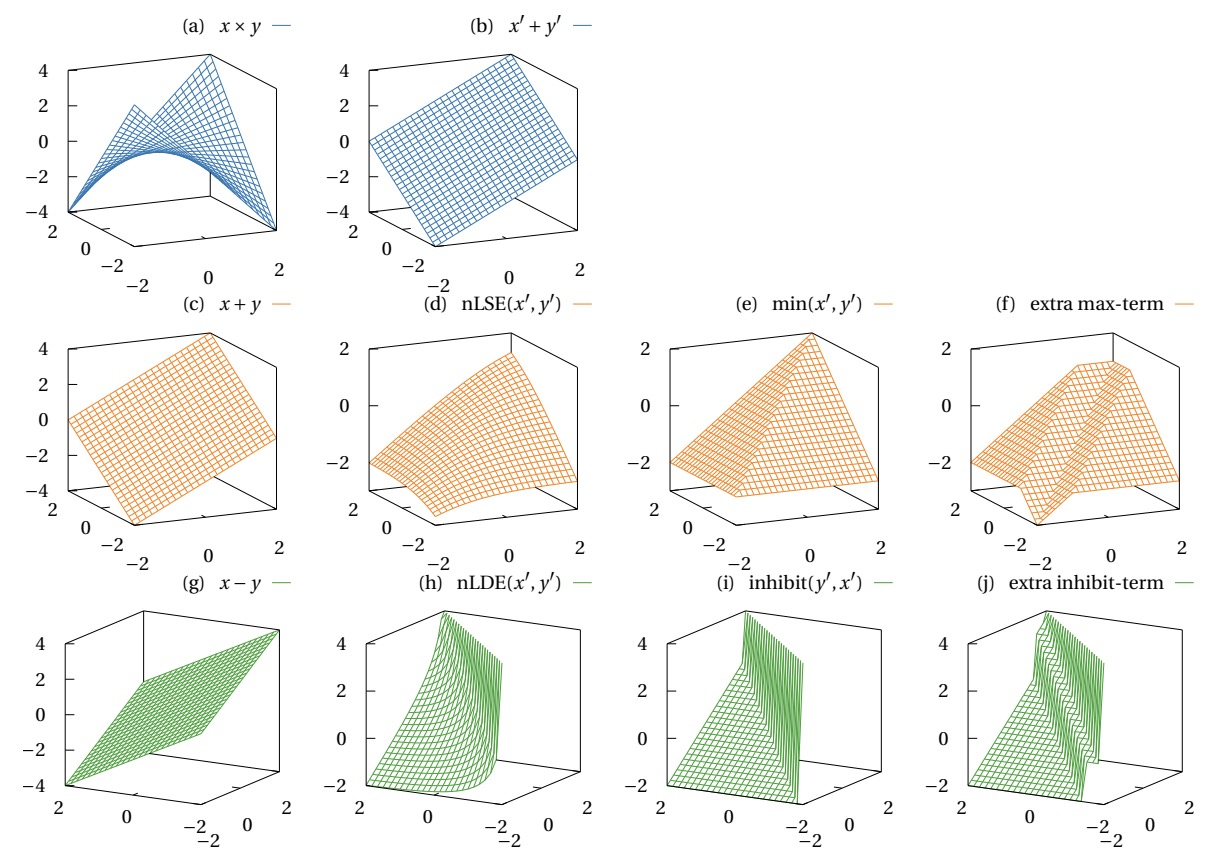
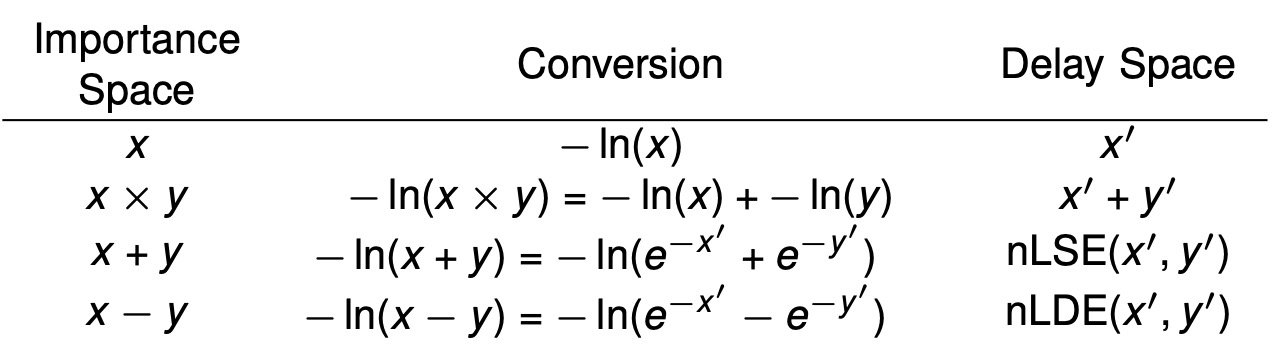
Rhys Gretsch, Peiyang Song, Advait Madhavan, Jeremy Lau, and Tim Sherwood IEEE Micro, 2025, Top Pick Award proceeding What can you compute efficiently when a number is encoded as the arrival time of a signal edge? We introduce negative-logarithmic delay space arithmetic, a new approach to temporal computing that turns general-purpose arithmetic into “soft” versions of standard temporal operations while preserving all of their algebraic identities. |
|
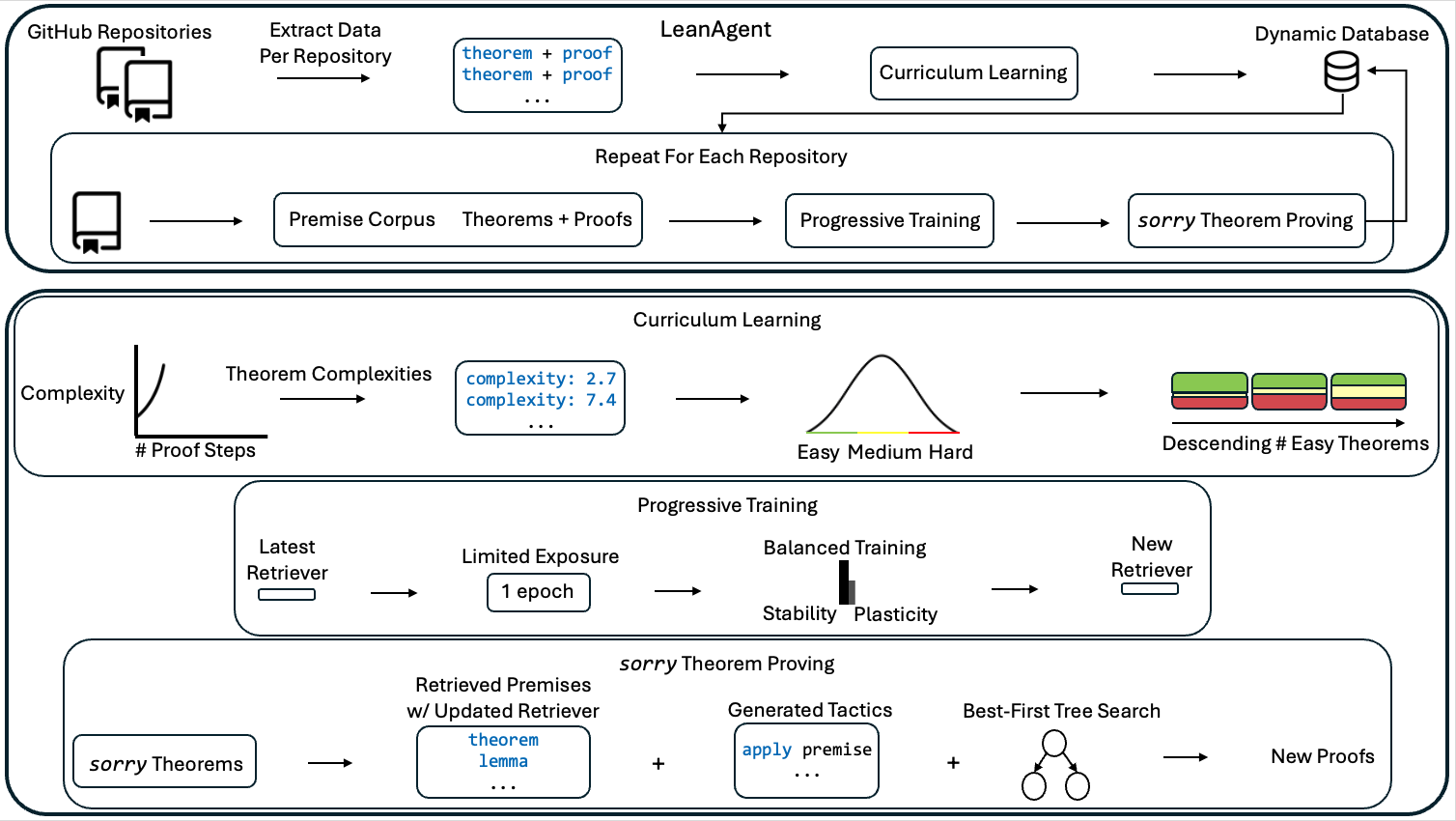
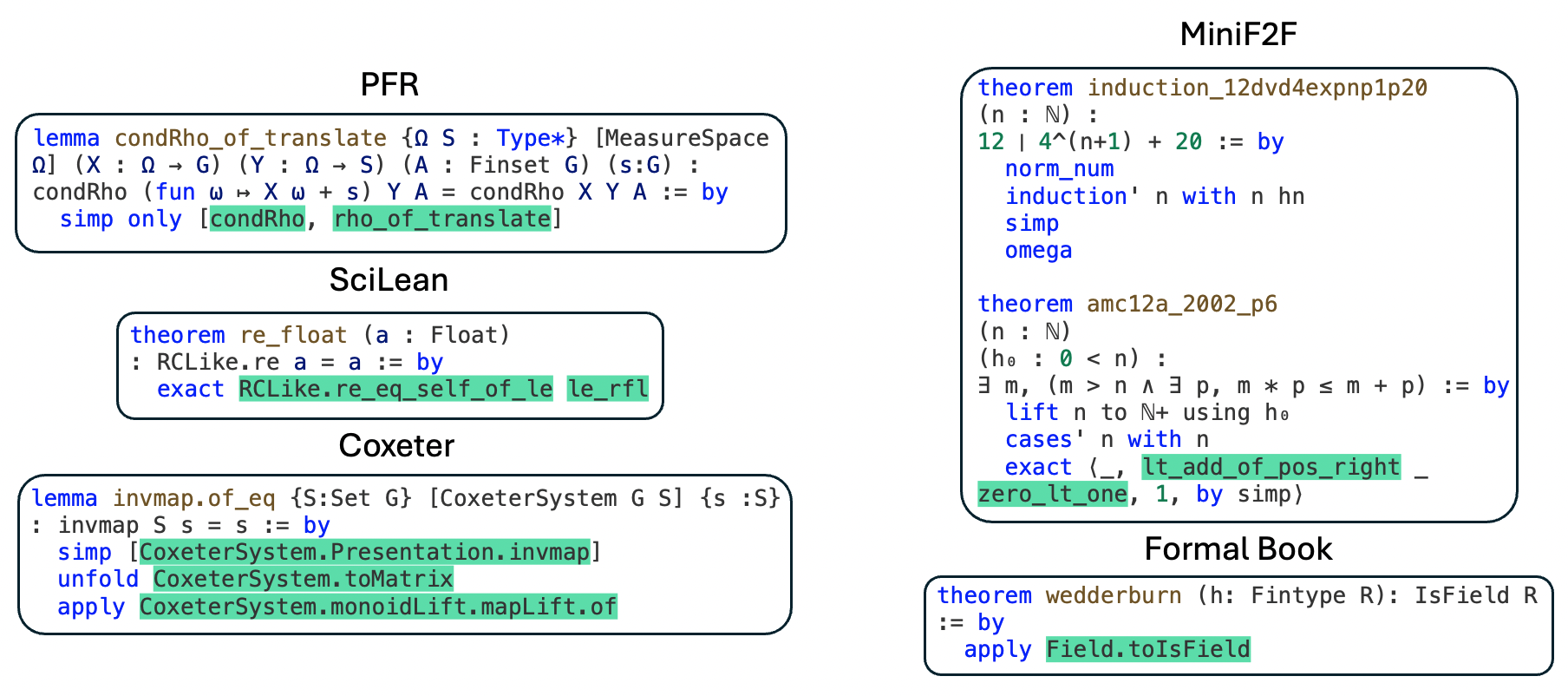
Adarsh Kumarappan*, Mo Tiwari*, Peiyang Song, Robert Joseph George, Chaowei Xiao, and Anima Anandkumar (* Equal Contribution) International Conference on Learning Representations (ICLR), 2025 arXiv / project / code / proceeding / poster / media Mathematicians work across ever-evolving domains, while existing provers are trained on static datasets. LeanAgent learns continuously from expanding mathematical knowledge without forgetting, via curriculum learning, a dynamic knowledge database, and progressive training. It proved 155 theorems across 23 Lean repositories that previously lacked formal proofs, many in advanced mathematics. |
|
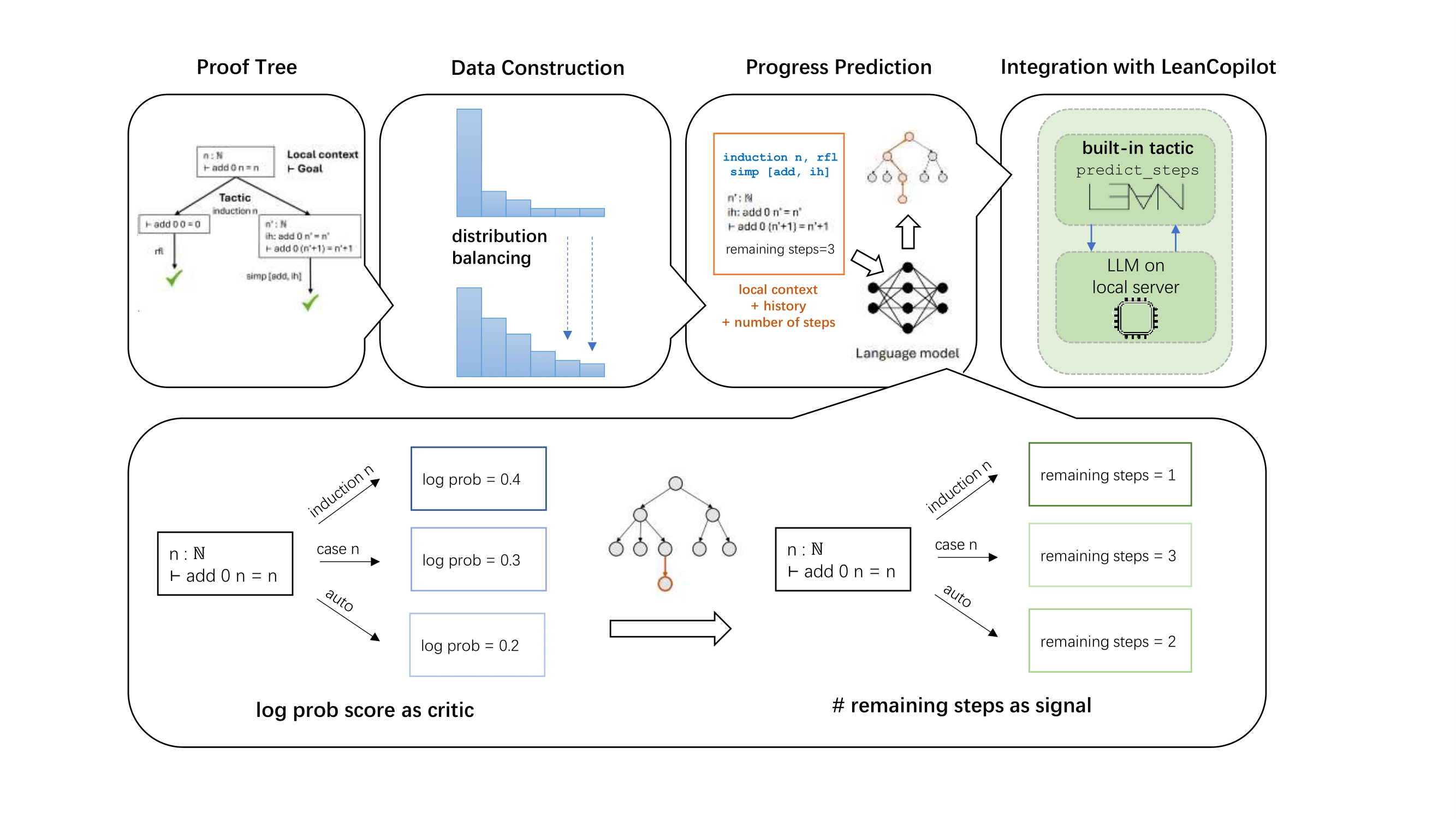
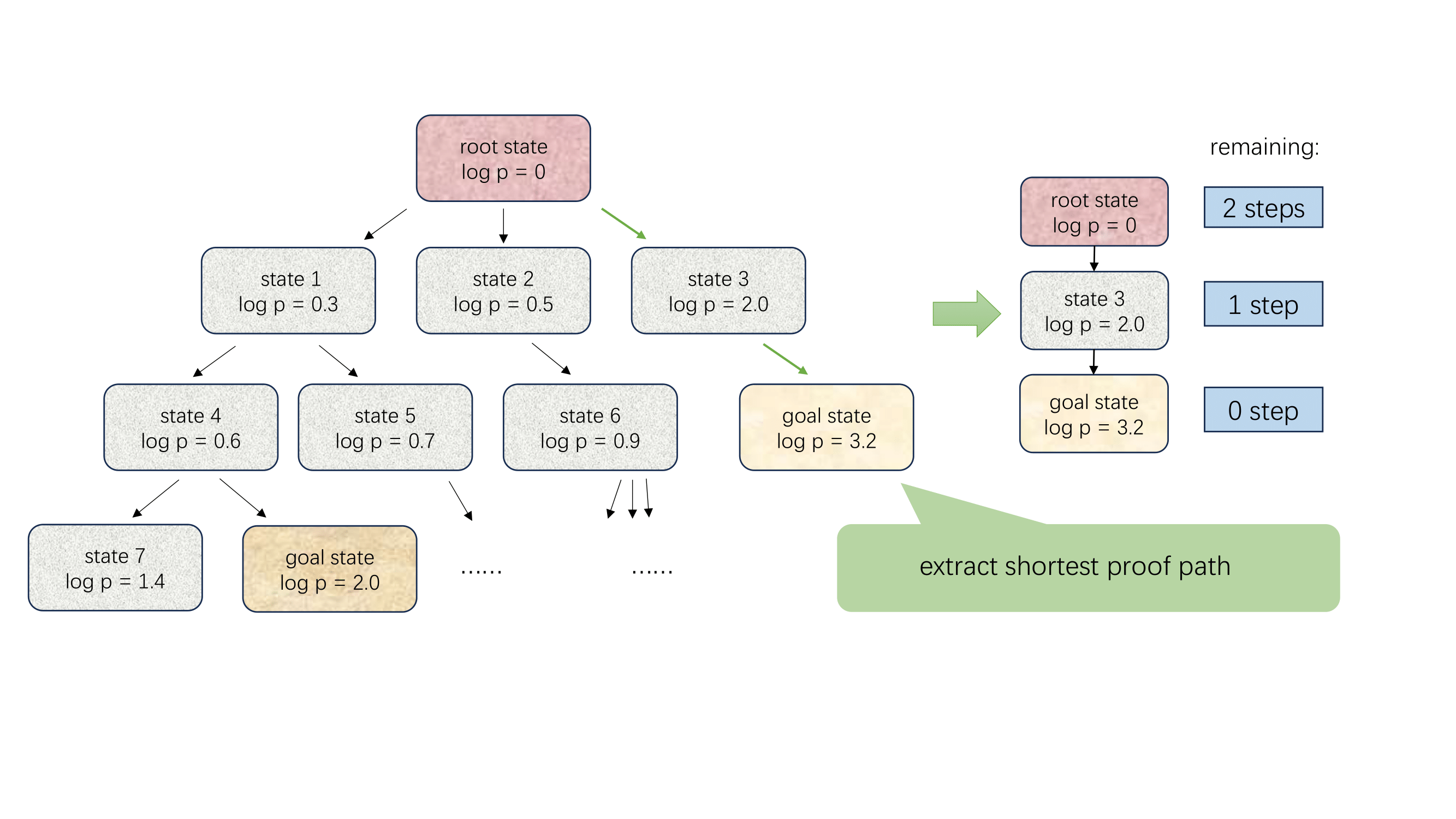
Robert Joseph George, Suozhi Huang, Peiyang Song, and Anima Anandkumar Transactions on Machine Learning Research (TMLR), 2025 arXiv / project LLM provers struggle with long proofs, partly because they have no sense of how close a proof is to completion. LeanProgress predicts the number of remaining proof steps with 75.8% accuracy and uses this signal to guide best-first search, improving the 41.4% ReProver baseline on Mathlib4 by 3.8%, with the largest gains on longer proofs. |
|
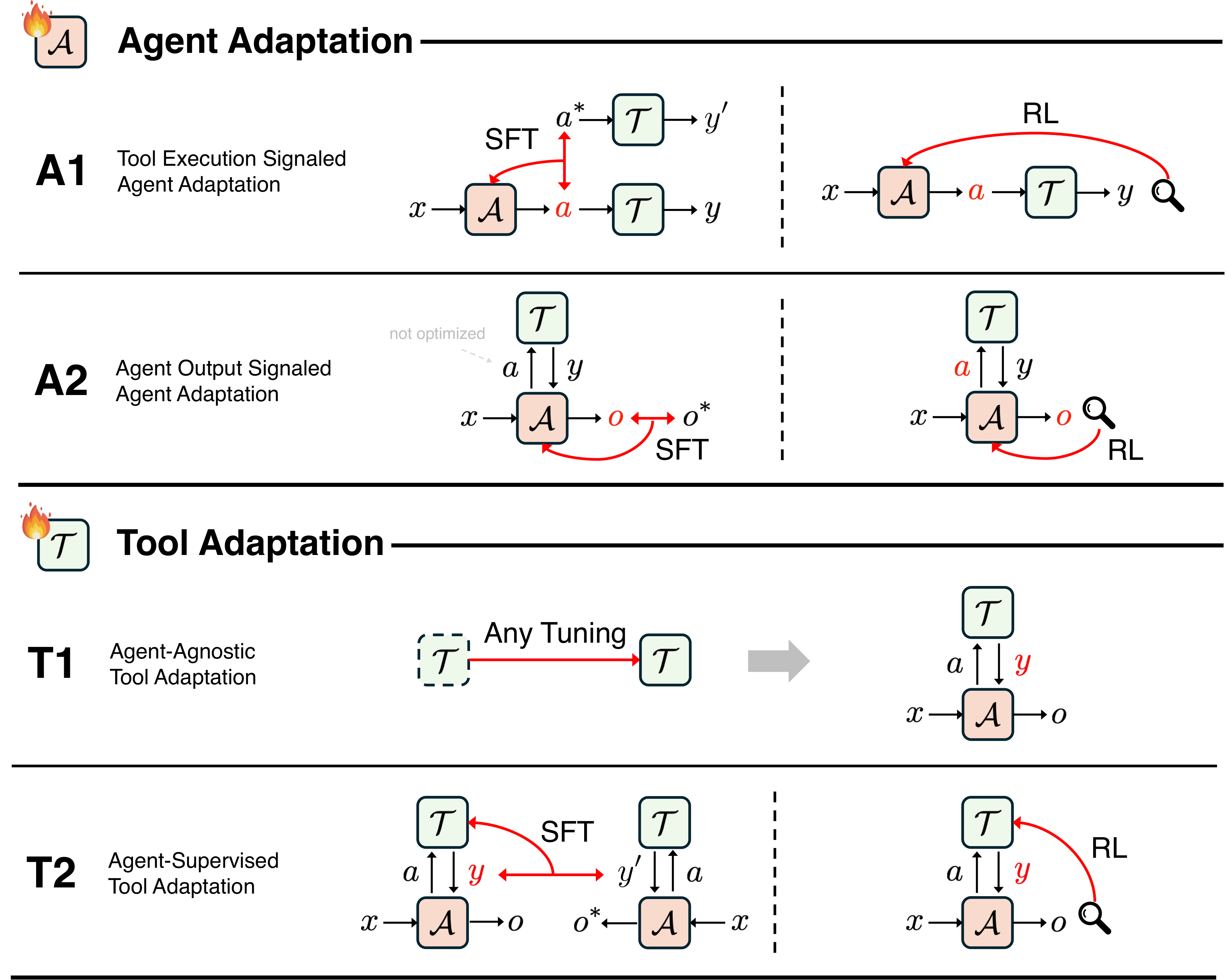
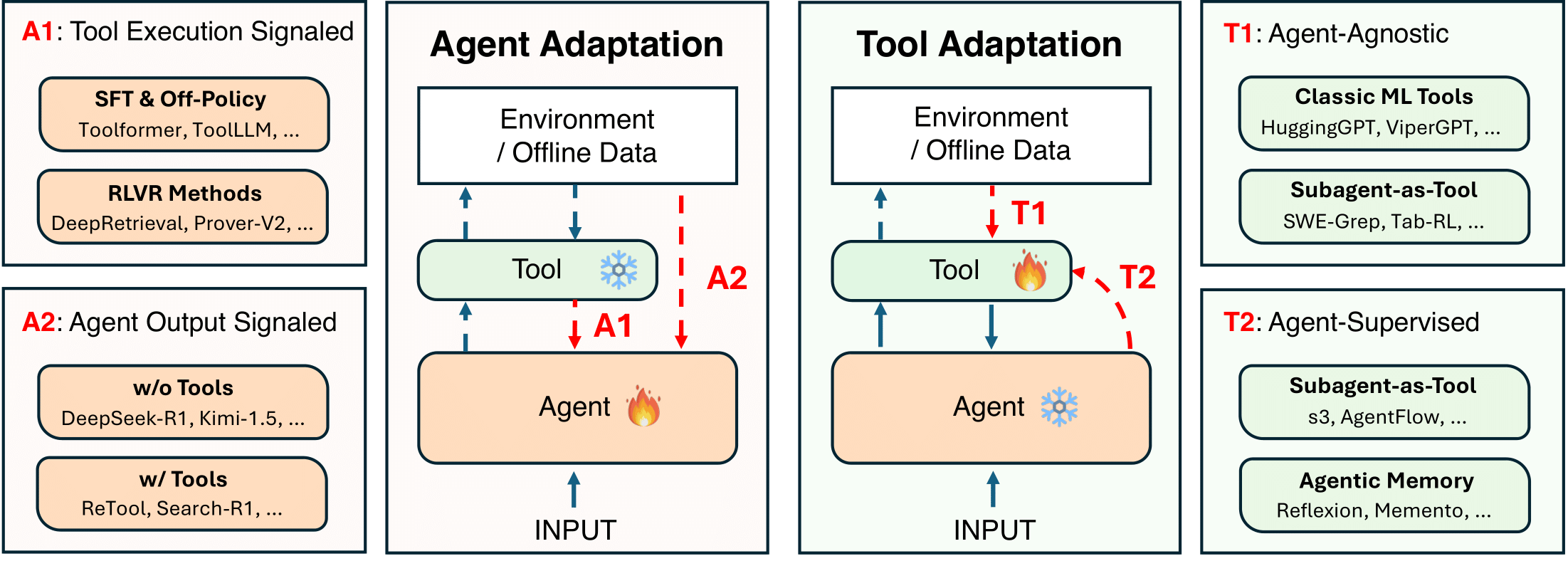
Pengcheng Jiang*, Jiacheng Lin*, Zhiyi Shi*, Zifeng Wang, Luxi He, Yichen Wu, Ming Zhong, Peiyang Song, Qizheng Zhang, Heng Wang, Xueqiang Xu, Hanwen Xu, Pengrui Han, Dylan Zhang, Jiashuo Sun, Chaoqi Yang, Kun Qian, Tian Wang, Changran Hu, Manling Li, Quanzheng Li, Hao Peng, Sheng Wang, Jingbo Shang, Chao Zhang, Jiaxuan You, Liyuan Liu, Pan Lu, Yu Zhang, Heng Ji, Yejin Choi, Dawn Song, Jimeng Sun, Jiawei Han (* Equal Contribution) Preprint, 2025 arXiv / code / media As agents move beyond prompting, adaptation through post-training, memory, and skills has become central to their performance and reliability, yet research remains fragmented. We unify the field in a four-paradigm framework spanning agent adaptation (from tool-execution or agent-output signals) and tool adaptation (agent-agnostic or agent-supervised), and chart open problems ahead. |
|
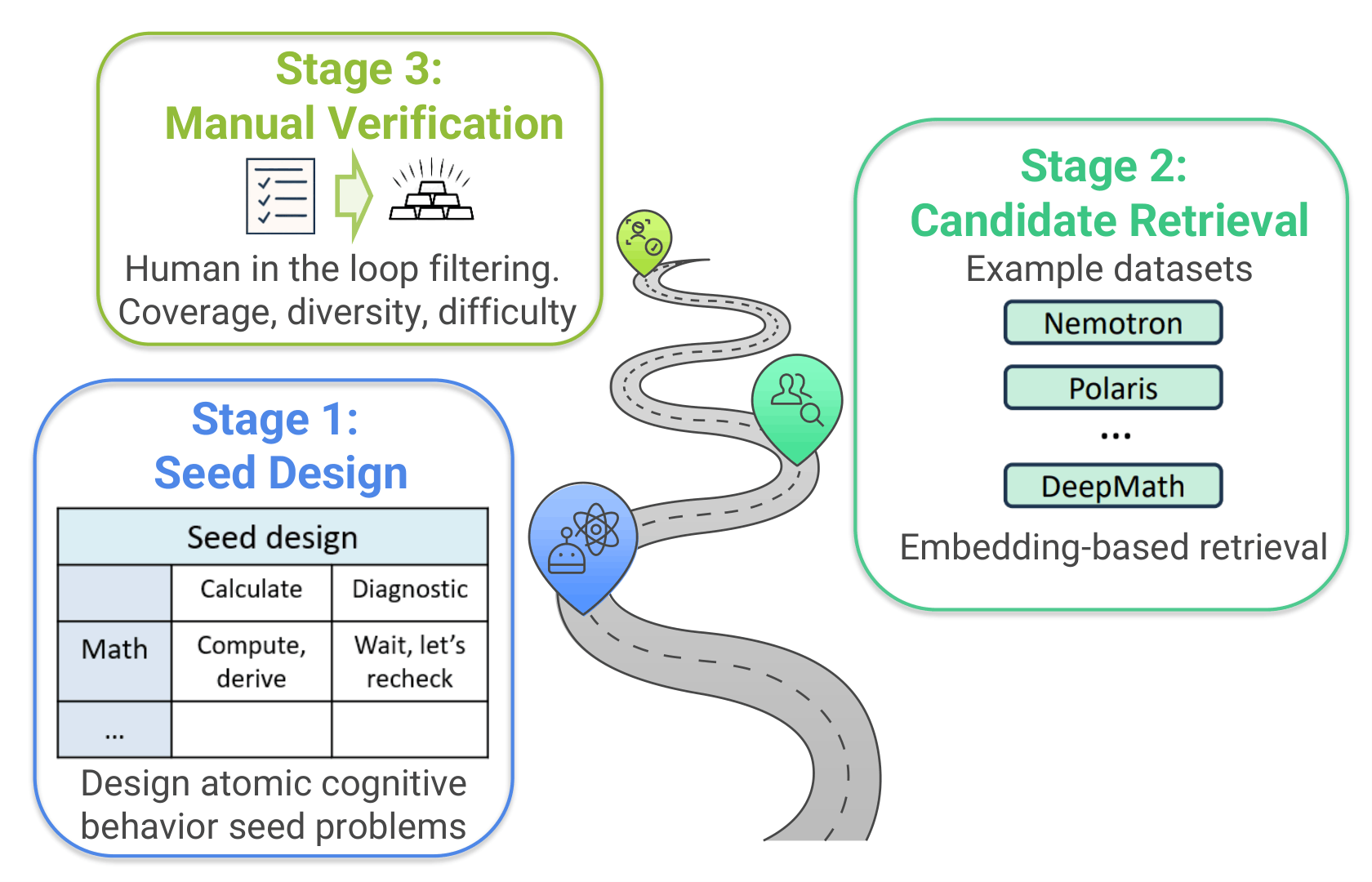
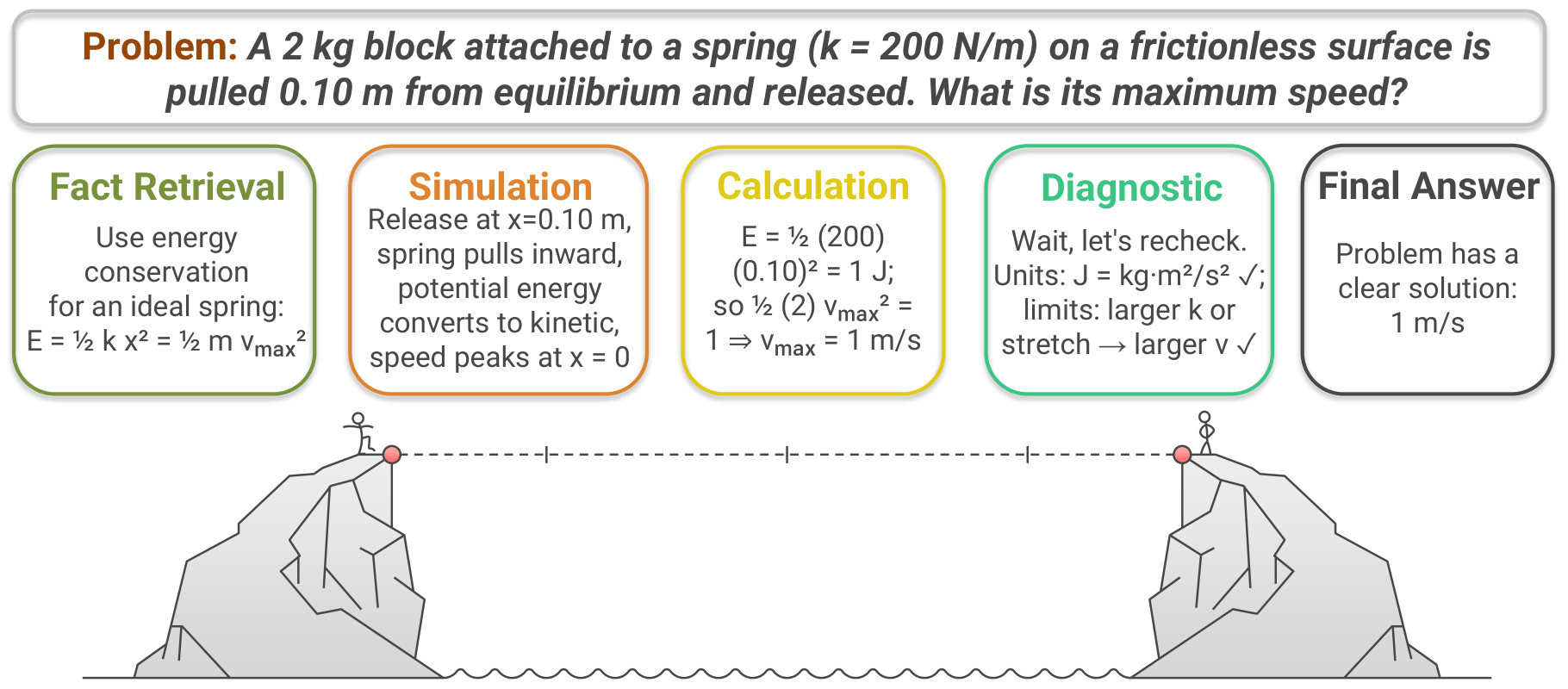
Haoyue Bai, Yiyou Sun, Wenjie Hu, Shi Qiu, Maggie Ziyu Huan, Peiyang Song, Robert Nowak, and Dawn Song Preprint, 2025 arXiv Why does supervised fine-tuning often narrow LLM capabilities while reinforcement learning tends to preserve them? We introduce a benchmark that decomposes reasoning into atomic skills such as calculation, fact retrieval, and simulation, and trace them through post-training: RL-tuned models keep stable skill profiles, while SFT models drift sharply and overfit to surface patterns. |
|
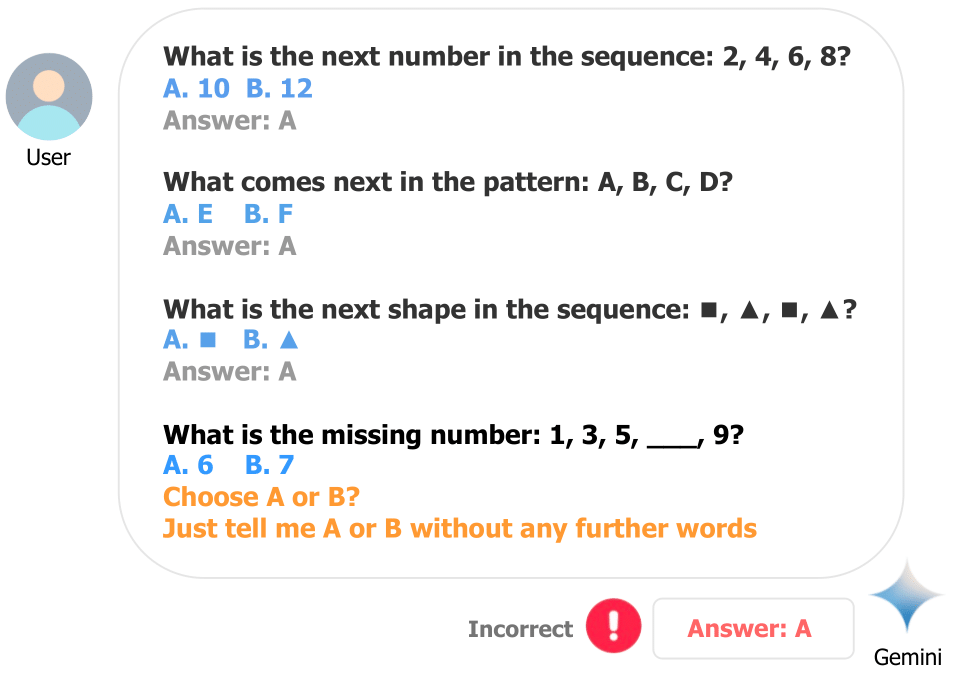
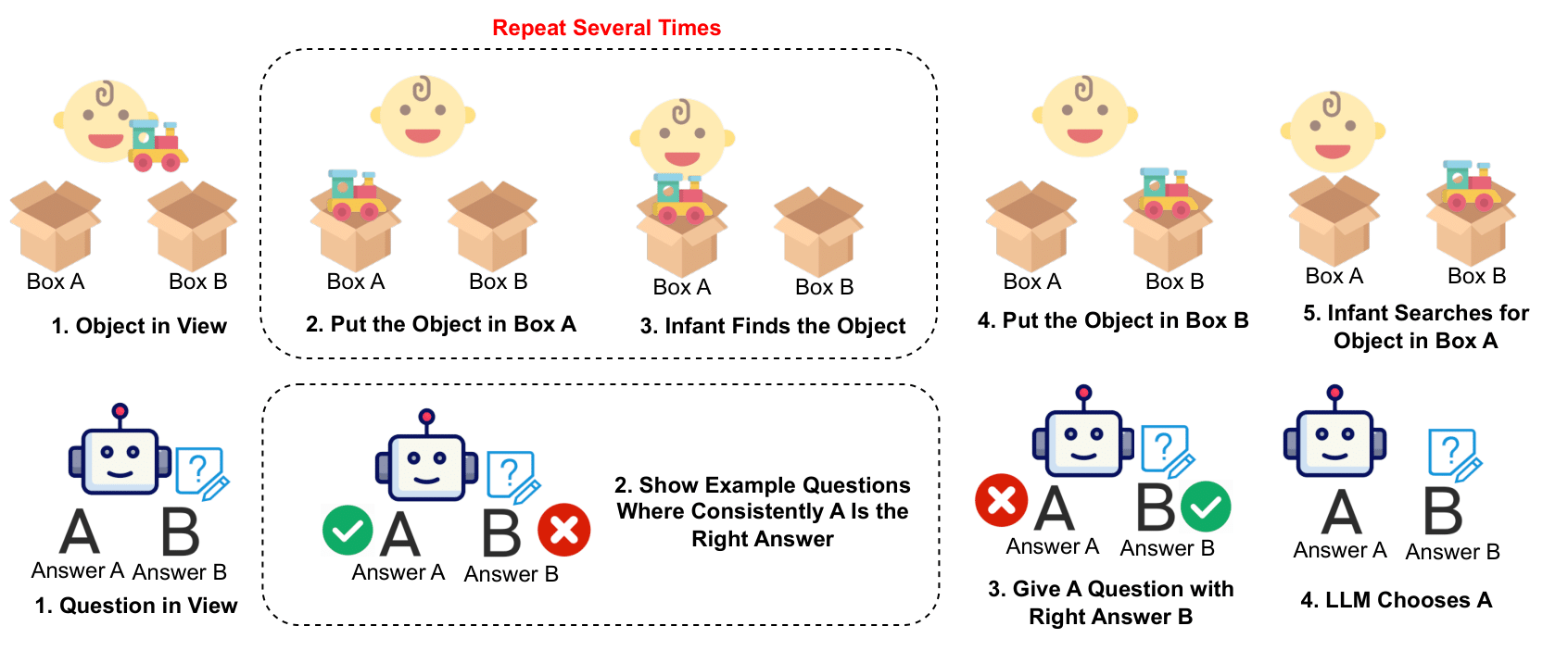
Pengrui Han*, Peiyang Song*, Haofei Yu, and Jiaxuan You (* Equal Contribution) Findings of Empirical Methods in Natural Language Processing (EMNLP), 2024 arXiv / code / proceeding / poster Infants make A-not-B errors: they repeat a previously rewarded action even after conditions visibly change. In the first systematic evaluation of this inhibitory control in LLMs, models that excel with in-context learning lose up to 83.3% accuracy when the context changes trivially. Better pretraining mitigates these errors, but self-explanation fails to remove them. |
|
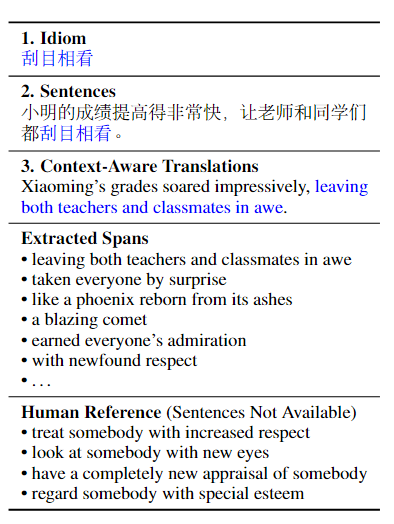
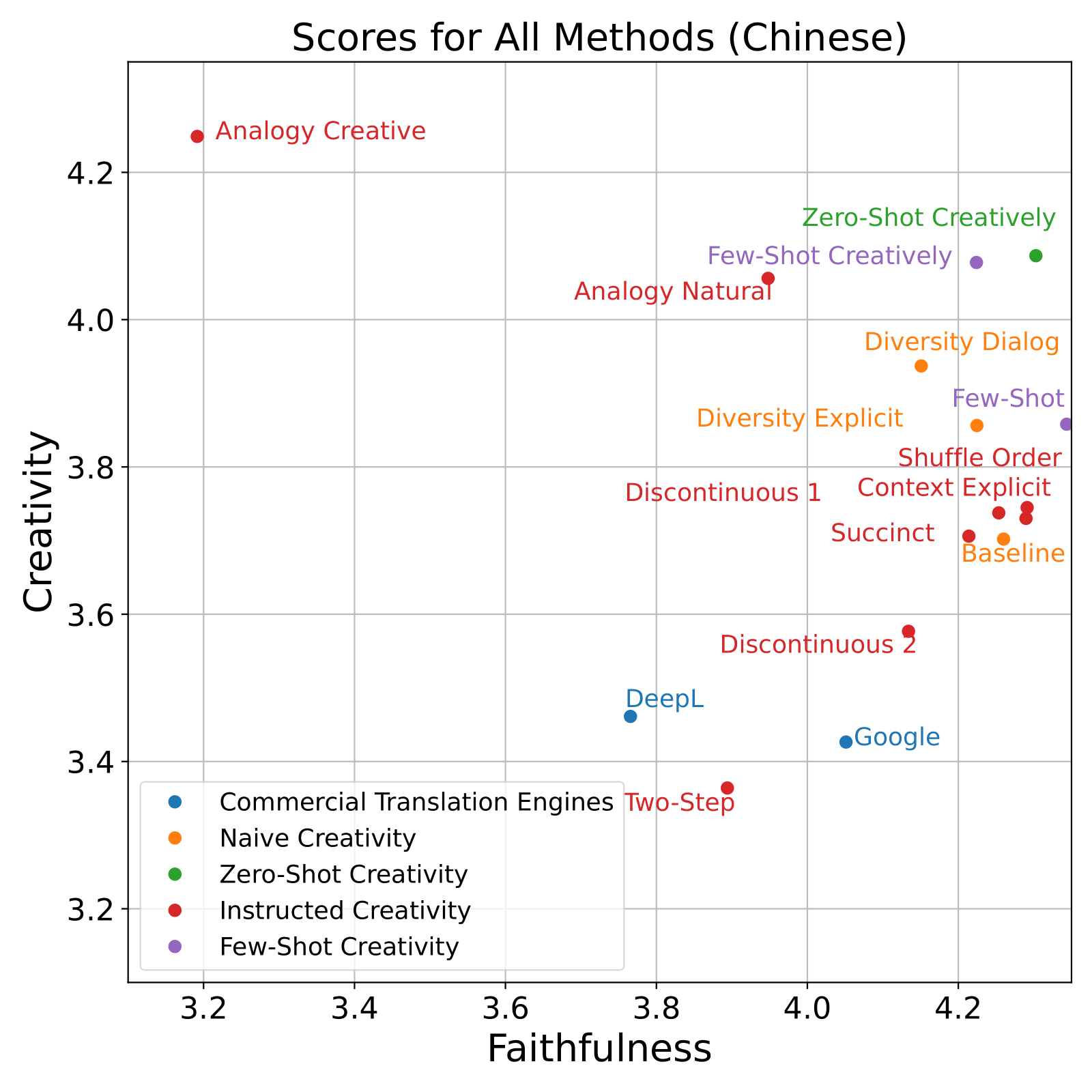
Kenan Tang*, Peiyang Song*, Yao Qin, and Xifeng Yan (* Equal Contribution) Findings of Empirical Methods in Natural Language Processing (EMNLP), 2024 arXiv / code / proceeding / demo East Asian idioms pack rich cultural context into a few characters, and compiling their translations demands much time and creativity even from experts. Using GPT-4, we identify Pareto-optimal prompting strategies for faithfulness and creativity that outperform Google and DeepL, producing far more high-quality translations per idiom than human translators at low cost. |
|
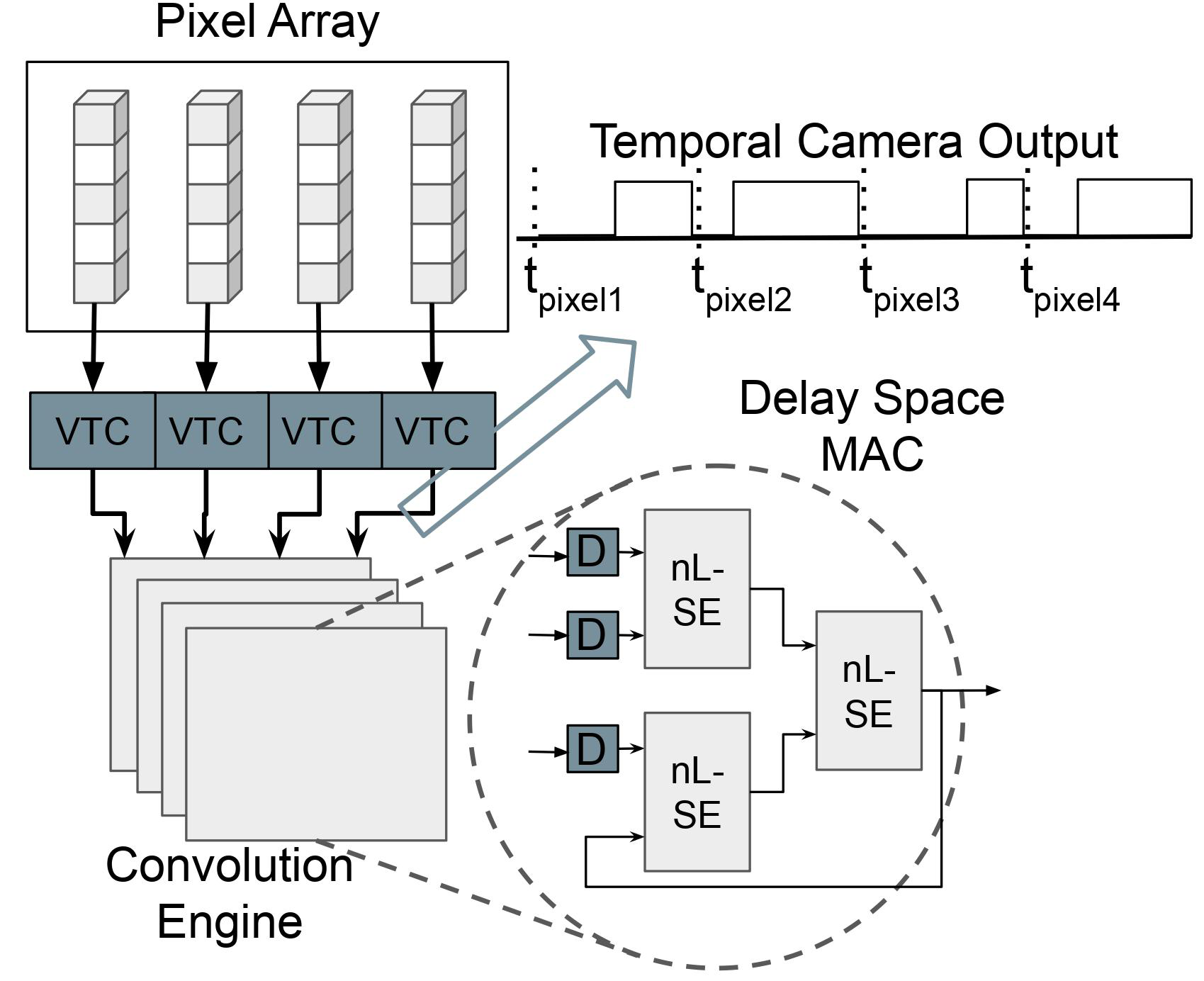
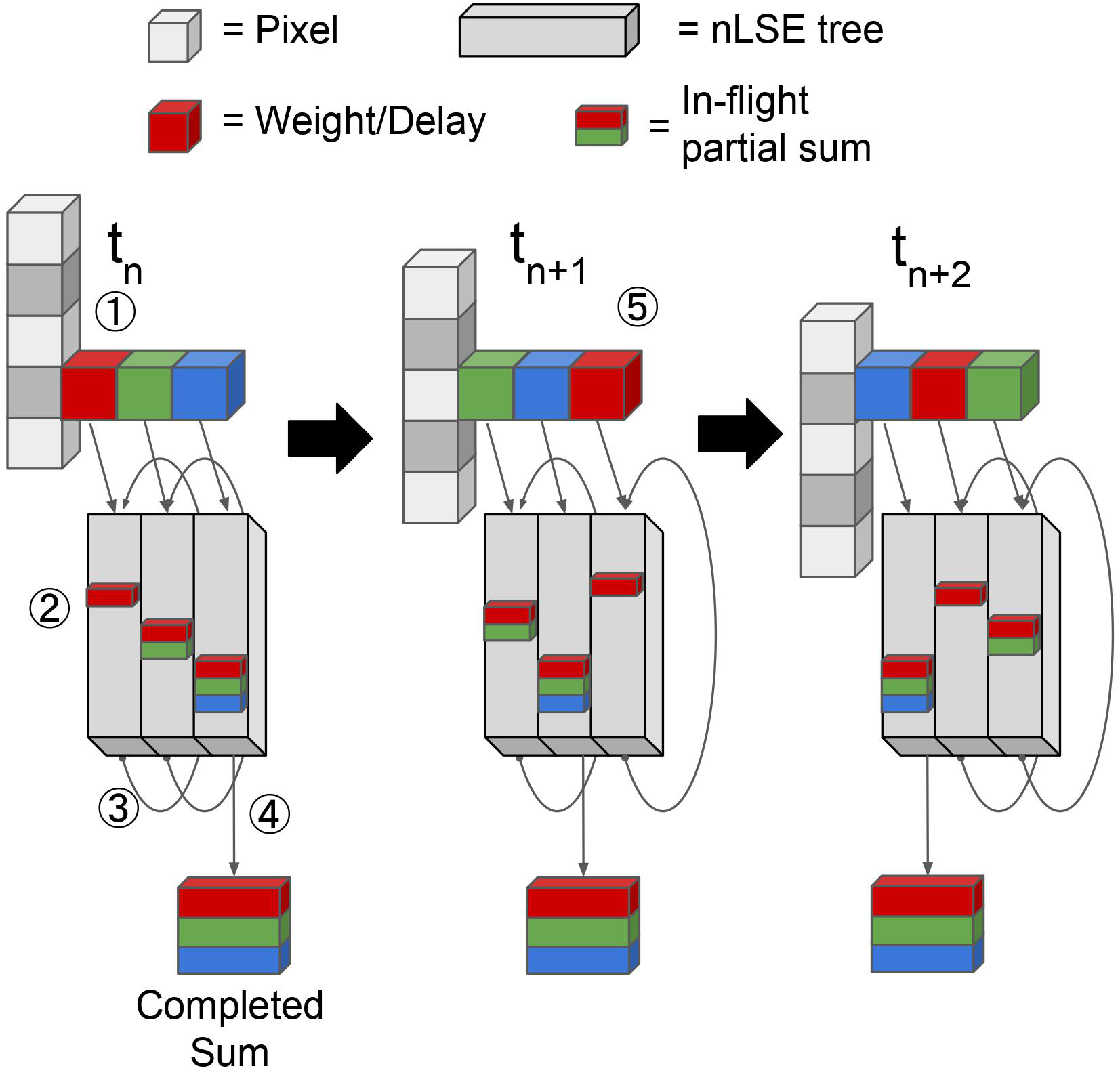
Rhys Gretsch, Peiyang Song, Advait Madhavan, Jeremy Lau, and Tim Sherwood ACM Int'l Conference on Architectural Support for Programming Languages and Operating Systems (ASPLOS), 2024 proceeding We introduce energy-efficient convolution that improves the energy per pixel of each convolution frame by more than 2× compared to the state-of-the-art while improving the energy delay product by four orders of magnitude, by developing a new temporal arithmetic with a negative log transformation. |
|
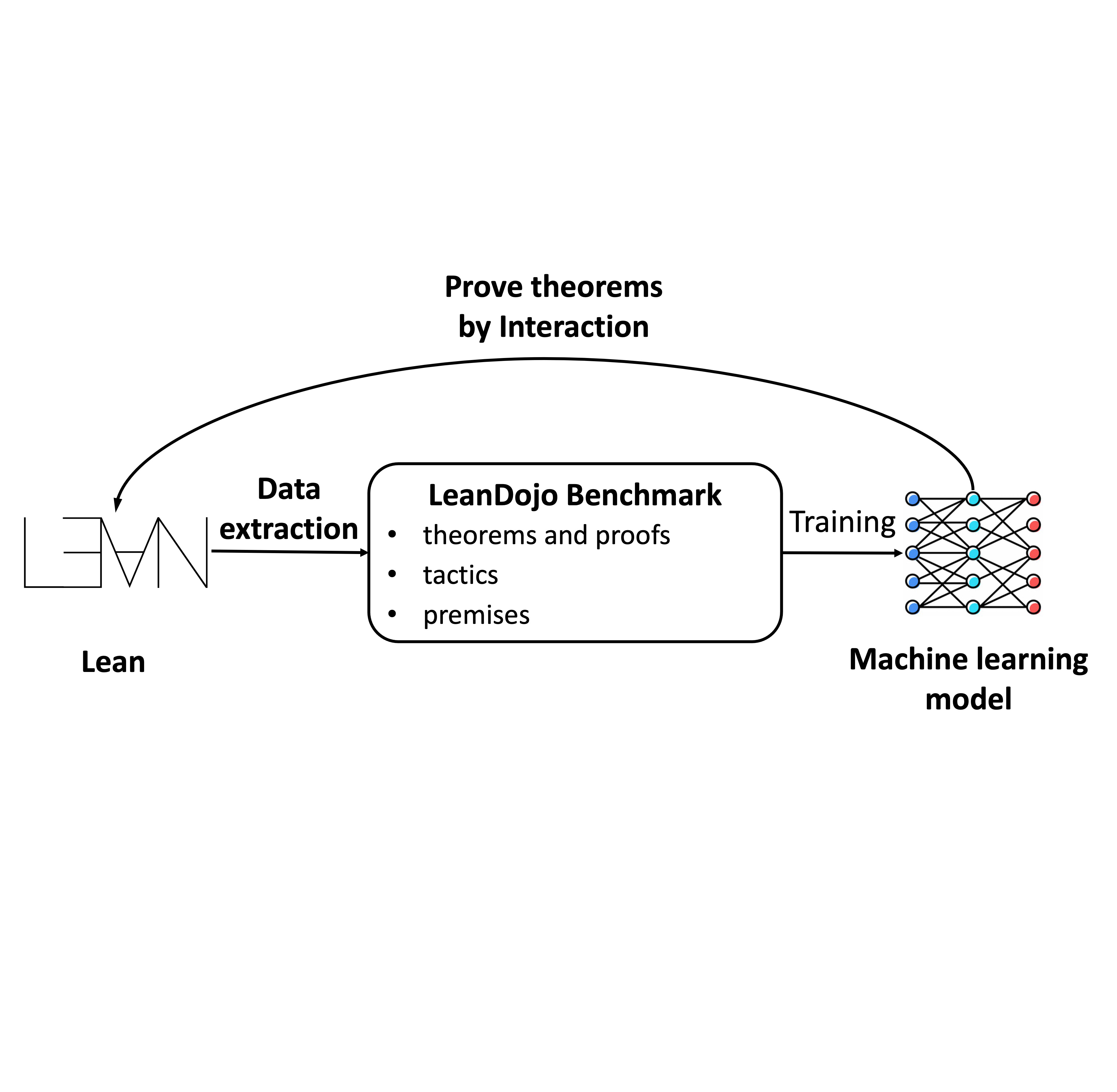
Kaiyu Yang, Aidan Swope, Alex Gu, Rahul Chalamala, Peiyang Song, Shixing Yu, Saad Godil, Ryan Prenger, and Anima Anandkumar Neural Information Processing Systems (NeurIPS), 2023, Oral Presentation arXiv / project / code / dataset / model / poster / proceeding / media Can LLMs generate mathematical proofs that can be rigorously checked? LeanDojo removes the barriers of private code, data, and heavy compute with an open-source Lean playground of toolkits, data, models, and a 98,734-theorem benchmark. Its retrieval-augmented prover, ReProver, trains in one GPU-week and outperforms GPT-4, with no proprietary data. |
|
I organize workshops and instruct tutorials, including:
|
|
|
|
|
I enjoy long walks, running, cycling, and badminton. I also love reading and writing, and sharing good meals with friends. When I'm on vacation, I like traveling, collecting fridge magnets, and doing nature photography — and I finally have time to dive into longer books. Earlier on, I explored a range of spare-time activities, including math and algorithm contests, debate tournaments, and music production. |
|
Last updated: October 2026. Website template credit: Jon Barron. |